
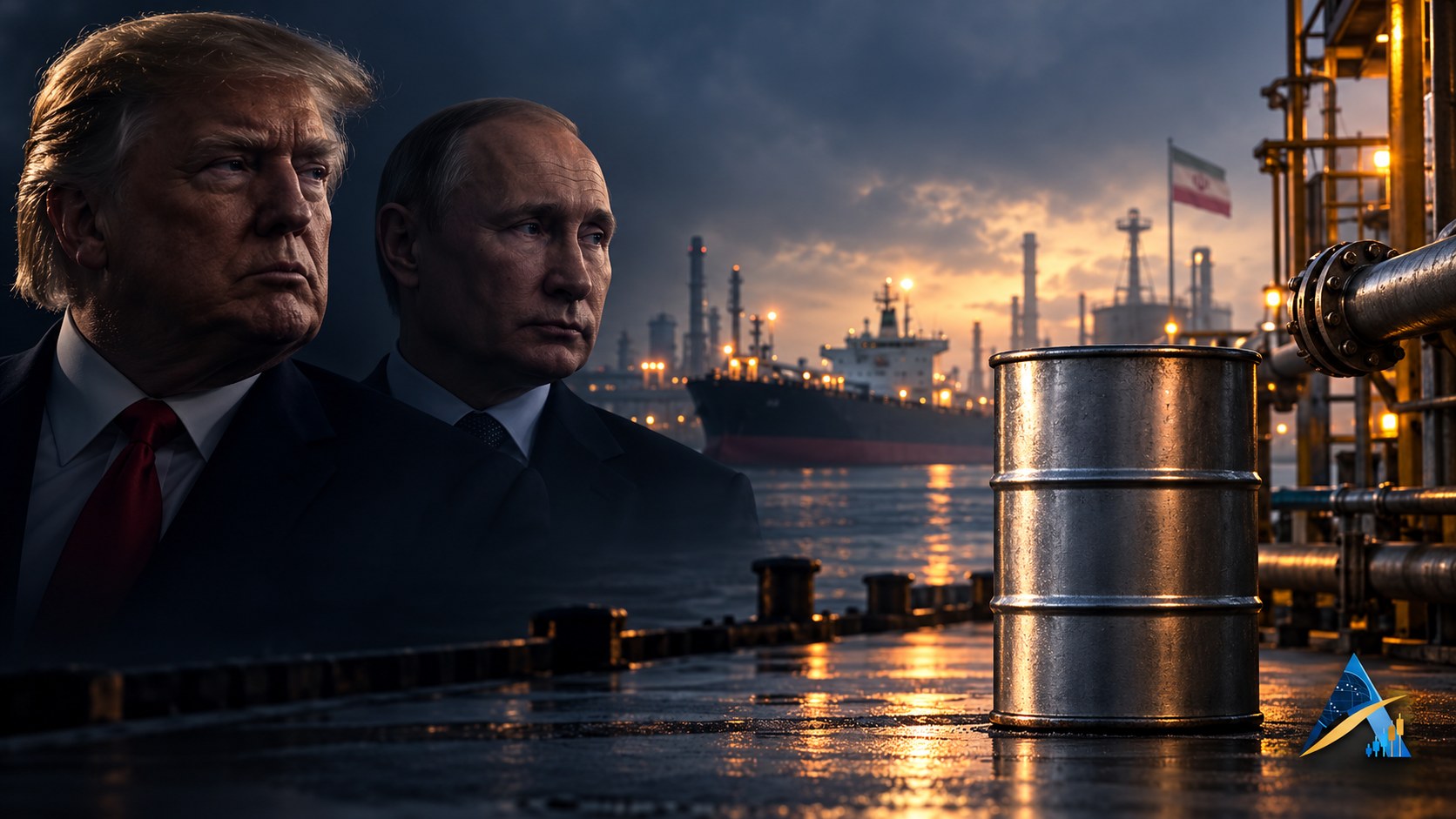
Donald Trump’s opening of the American market to Russian diesel is drawing a fresh allegation that Iranian-origin fuel could reach U.S. buyers through Russian supply chains. The concern adds another complication to an agreement already facing bipartisan opposition over sanctions relief and the money it could provide Vladimir Putin.
The distinction is between a documented permission to buy Russian diesel and an unverified claim about its contents. No identified U.S.-bound tanker, cargo certificate or customs entry accompanies the Iranian-origin allegation. The diesel agreement therefore raises a provenance question; it does not establish that America has bought Iranian fuel.
The claim depends on a missing cargo link
On October 12, The Hormuz Letter reported that diesel exported under the deal could contain Iranian supply, pointing to Ukrainian attacks on Russian refineries and reports of Iranian tanker trucks in Russia. Its wording retained an important qualification:
The diesel Russia is now exporting to the US under Trump's deal may include Iranian-origin volumes, with Russian oil refineries largely unable to produce diesel after Ukrainian strikes and thousands of Iranian tanker trucks reported in Russian regions including Ryazan last month, per initial reports.
A September 25 post by Jay in Kyiv had circulated a video alleging Iranian fuel trucks were heading toward Russian service stations. That older report supplies part of the claim’s background. It provides neither a verified count of thousands of trucks nor a documented connection to an American purchaser.
Even establishing a truck’s Iranian registration would not establish the origin of its cargo. A shipment trail would need to connect the fuel, its storage or processing, its seller and the cargo sent onward. Diesel is a refined petroleum product, so describing Iranian crude, Iranian diesel and Russian-refined diesel as interchangeable would obscure the transaction being alleged.
Russia’s licence is not a general Iran waiver
As previously reported by Apex, the October 9 agreement opened diesel transactions with Russia. General License 135 authorizes sales, delivery, offloading and imports of Russian-origin diesel, including imports into the United States, through April 7, 2027.
Its authorization addresses specified Russia-related sanctions restrictions. It does not establish the origin of any particular cargo or provide a blanket exemption from separate Iran restrictions. Export paperwork and the actual supply chain still matter.
Concealing origin is a documented sanctions tactic
The broader concern has a factual basis. In a June 2025 advisory, the U.S. Financial Crimes Enforcement Network documented Iranian oil-smuggling methods:
In some instances, Iranian oil is blended with oil from third countries to further disguise its origins, or forged documents will relabel the oil as the product of another jurisdiction, most commonly as “Malaysian blend.”
The advisory also describes falsified cargo documents, manipulated vessel tracking and ship-to-ship transfers. These methods can complicate identification. They do not establish that this new diesel arrangement contains Iranian barrels, or make every blended cargo inherently impossible to trace.
The political dispute is already widening
Seven Republican and Democratic senators issued an October 11 statement arguing that the administration’s Russian diesel decision conflicts with Congress’s 2022 import ban. Their demand was direct:
The United States should not provide Putin with a financial lifeline while Russia continues to kill Ukrainian civilians. The Administration must immediately reverse course.
That is the senators’ legal and political objection, rather than a court ruling. Their statement addresses Russian imports without confirming the Iranian-origin claim.
Iran’s security chief Mohsen Rezaei separately accused Trump of resorting to smuggling in an October 11 post. He also said Washington had accepted some of Iran’s seven conditions but that its response remained inadequate. Those are Tehran’s assertions about the confrontation and negotiations, not evidence identifying a diesel cargo.
For buyers, the immediate economic stakes are fuel availability, price and compliance exposure. The Iranian connection remains a risk allegation requiring shipment evidence. Washington has opened a trade channel to Russia; whether that channel also carries Iranian fuel is the unresolved question.