
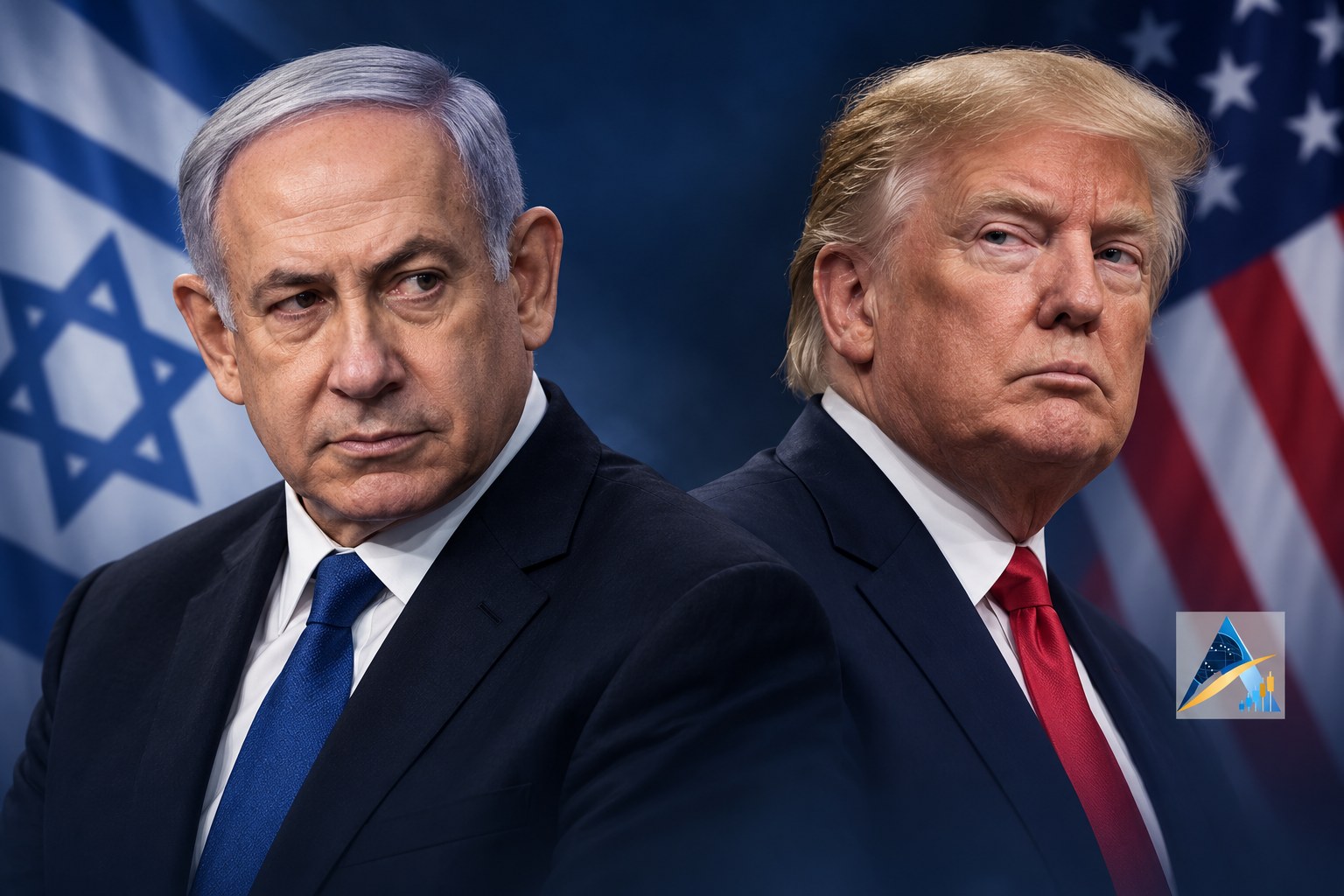
Benjamin Netanyahu told Israeli security and intelligence chiefs that Donald Trump initiated discussions about striking Iran before elections and asked whether Israel would join, according to an Israeli official cited in an October 13 report. The account places the proposed timing with Washington, despite other officials' descriptions of Netanyahu pushing for renewed attacks.
The account, published by Axios, concerns private discussions rather than a public statement from Netanyahu. The White House denied that Trump and Netanyahu discussed restarting the war. Netanyahu's office said he maintains regular contact with the president and senior American officials but does not discuss the content of those conversations.
The report, by Barak Ravid and Marc Caputo, drew on two U.S. officials, an Israeli official and another source familiar with the matter. It described calls over the past two weeks about a potential joint operation against Iranian military and nuclear targets.
Competing accounts of who pushed first
An Israeli official said Netanyahu told his security chiefs that Trump had opened the discussion about an attack before the elections. That is a reported account of what Netanyahu said internally, not independent confirmation of who first proposed the operation.
One American official offered a different emphasis, describing Netanyahu as eager to return to fighting while Trump had stopped short of a commitment:
Bibi seems to want to go in again. He has talked to the president about it a couple times, and the president has said, 'Well, you know, Bibi, go ahead and get ready.' But there's really no commitment. 'Go ahead and get ready' is maybe now, maybe later, maybe never.
The distinction matters. An instruction to prepare options, as described by an unnamed official, would leave the president room to approve an attack, delay it or abandon it. It does not establish that a joint campaign has been authorized.
A White House official rejected the account of discussions about resuming the war and gave the administration's position:
The President has said that we will not be attacking Iran at any time prior to the midterm elections.
Two elections complicate the military timetable
Israel's election is scheduled for October 27, followed by the U.S. midterms on November 3. The reported pre-election window therefore concerns both leaders' campaigns, rather than the American vote alone.
According to a source briefed on a military call, Israeli chief of staff Lieutenant General Eyal Zamir discussed possible renewed fighting with U.S. Joint Chiefs Chairman General Dan Caine. Zamir reportedly warned that renewed war could force postponement of Israel's election if Iran retaliated. Caine's spokesman declined to comment. No election postponement was announced in the report.
The political consequences cut both ways. One U.S. official characterized Netanyahu as seeing strength in his wartime leadership. That is the official's assessment of his incentives, not an established motive for seeking a strike. Renewed hostilities could also expose civilians to retaliation and put campaigning under wartime conditions.
Nuclear concerns and diplomacy remain unresolved
An Israeli official said Netanyahu raised intelligence concerns about Iran rebuilding its nuclear program. Those concerns explain the rationale attributed to him; the account does not independently establish that Iran has rebuilt an enrichment capability or that an attack is imminent.
Sources also described disagreement inside Washington, with Defense Secretary Pete Hegseth and Central Command's leadership backing renewed strikes while many advisers favored continued sanctions and economic pressure. The reported military preparations leave options available if Trump's position changes.
Diplomacy remains part of the picture. Qatari mediators were awaiting Iran's response to the latest American counterproposal, according to the account. As previously reported by Apex, Trump has also questioned whether killing Iranian leaders made finding negotiating partners harder. That concern does not establish that Iran has no functioning leadership or that negotiations have ended.