

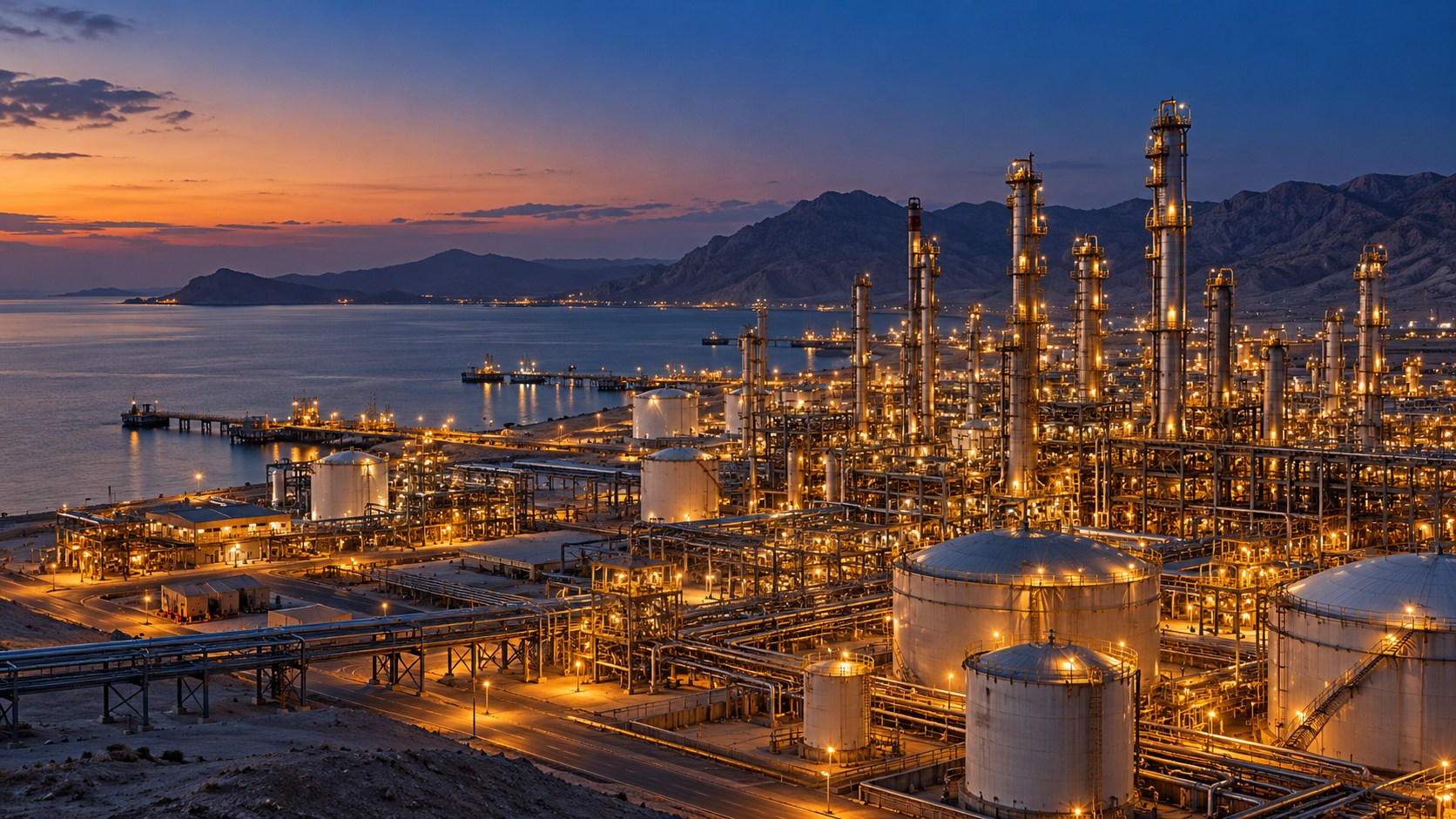
Israel is trying to secure Donald Trump's approval to attack Iranian energy sites that were left untouched in earlier rounds of fighting, according to Israeli public broadcaster Kan. An Israeli official said Jerusalem hoped to get the president's permission for those targets.
The report comes as U.S. officials have warned Middle Eastern allies to prepare for possible renewed strikes after the November 3 midterm elections, along with Iranian retaliation against their own infrastructure. Two diplomats briefed on those warnings told The Associated Press that Trump had not made a final decision.
Israel wants approval for additional targets
Kan's October 29 report identifies energy sites not attacked in previous rounds as the focus of Israel's effort. Its brief account does not name the facilities or announce that Washington has approved them.
That distinction matters because the report concerns adding particular targets to a possible campaign. It does not say that Iran's entire energy sector has escaped earlier attacks.
Separately, the AP reported that U.S. diplomats and defense officials had conveyed the regional warnings. Its two sources spoke anonymously because they were not authorized to discuss those conversations. The White House and U.S. officials declined to comment to the agency.
Allies are being warned about the response
According to the diplomats, Washington told allies that a new round of military action could last several days. Officials in the region were preparing for Iran and its allied armed groups to strike back, potentially drawing out the fighting.
The precautionary warnings specifically covered energy facilities and other important infrastructure. They put neighboring countries on notice that damage could spread beyond the Iranian sites Israel wants to hit.
Military preparations have also been taking place. The Pentagon sent the USS Theodore Roosevelt and amphibious ships carrying Marines from San Diego toward the Persian Gulf in late September, a deployment involving roughly 9,000 troops. The account left open how soon after Election Day forces would be ready to resume strikes.
Jonathan Schanzer, executive director of the Foundation for Defense of Democracies, a hawkish Washington think tank, warned that Tehran might act before the U.S. elections if it believed an attack was imminent. He asked:
"Why would they wait until after the elections here ... if they could initiate it and potentially gain the upper hand?"
That was his assessment of the risk, rather than an announcement of an Iranian operation.
Iran says diplomacy is still possible
Iranian Foreign Minister Abbas Araghchi addressed the military threat and negotiations together in an October 28 post:
"While our Brave Armed Forces are fully prepared to defend the Homeland, Iran continues to give diplomacy a chance to succeed."
He said Tehran remained in close contact with intermediaries to review ideas for implementing its seven-day plan in less than a week.
Anadolu Agency reported that Iran's proposal would have Washington take steps including lifting its naval blockade, easing restrictions on Iranian oil exports and releasing frozen assets. Iran would then reopen Hormuz to normal commercial shipping, followed by renewed negotiations. Those proposed steps remain subject to agreement.
There has also been direct American outreach. As previously reported by Apex, Trump said he approved Vice President JD Vance's contact with a senior Iranian security official. Trump described that effort in terms of medical supplies, while a U.S. official described a push for nuclear talks.
The United Arab Emirates has urged the sides to choose diplomacy. In an October 28 statement, its Foreign Ministry called for political solutions to contain tensions and prevent further escalation. It also urged closer coordination with regional and international partners, saying dialogue and adherence to international law were essential to addressing the region's crises.