

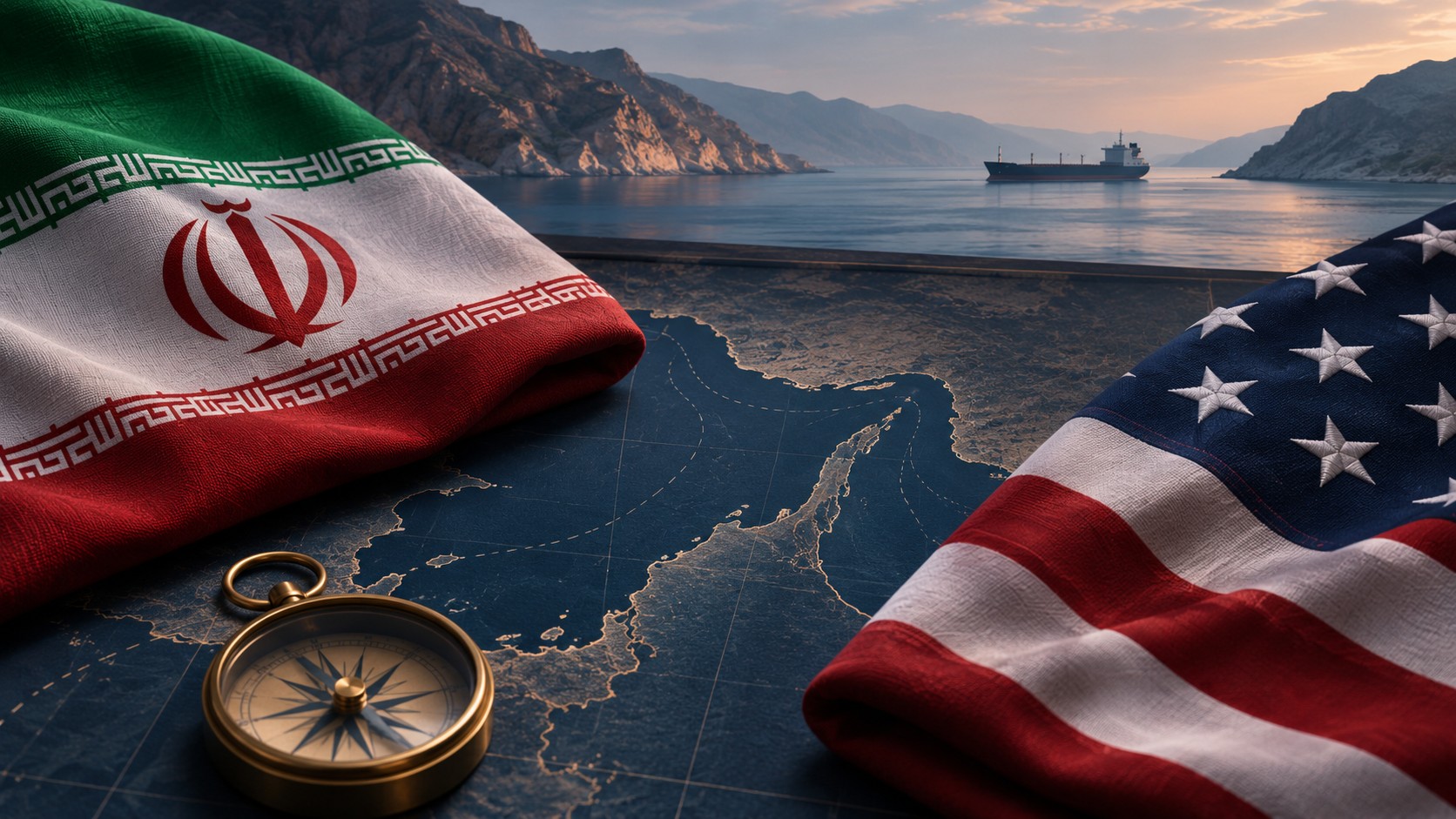
An air-defense system on Iran's Qeshm Island was reportedly targeted in a U.S. strike, as Iranian media reported explosions near the Strait of Hormuz. JFeed cited Iranian reports for the strike account, which has not been independently confirmed.
The reports come during renewed efforts to restart direct talks between Washington and Tehran. President Donald Trump said in a November 2 interview that he was in no rush to decide whether to resume fighting, while Iranian officials continued to demand changes to the U.S. blockade before reopening the strait.
Israeli outlet JFeed, citing unnamed Iranian reports, reported that a U.S. strike targeted an air-defense system on Qeshm. Its brief dispatch also described subsequent explosions near the port city of Bandar Abbas, but did not identify the Iranian source behind the account.
Explosions reported on the island
Reuters, citing Iran's state news agency IRNA, separately reported that several explosions were heard on Qeshm on November 2. The dispatch said their cause was unclear and there was no official Iranian confirmation of the source of the blasts.
Qeshm sits beside the Strait of Hormuz off Iran's southern coast. That places the reports in the same area where military activity, restrictions on shipping and attempts to reopen the waterway have become central issues in the war.
Iran's Revolutionary Guards also claimed they had brought down two U.S. reconnaissance drones south of Qeshm using electronic warfare. Mehr News Agency carried the statement, which said Iran now held four drones of that type and also claimed an interception involving a U.S. MQ-9.
Those are Iranian military claims, rather than independently verified accounts of U.S. aircraft losses.
Trump says he is giving talks time
In his November 2 phone interview with Axios, Trump described his position this way:
One way or the other, we will do something, but there is no rush.
He said the United States was talking to Iran and that the discussions were going fine, while complaining that Tehran showed less urgency than he expected. The remarks addressed his decision about renewed fighting, rather than confirming an operation on Qeshm.
Qatari mediators have prepared a draft agreement laying out three days of confidence-building measures intended to restart direct U.S.-Iran negotiations, according to regional sources cited in the same report. A diplomat familiar with the effort said mediators were waiting for feedback from both governments.
Qatari mediator Ali al-Thawadi traveled to Tehran on November 2 to continue the discussions. The diplomat described progress as building, but the proposal was still being negotiated.
Iranian President Masoud Pezeshkian said Supreme Leader Mojtaba Khamenei had given the government certain authorities to pursue an agreement through diplomacy. China is also urging Washington and Tehran to resume direct negotiations.
Iranian Foreign Minister Abbas Araghchi said diplomatic exchanges had become very intensive, with Qatar and Pakistan playing active roles. He said talks could resume if Washington accepted Tehran's conditions for reopening the Strait of Hormuz.
We have presented our conditions and our proposal, and everything depends on Washington's political rationality.
As Apex reported earlier, foreign ministry spokesman Esmaeil Baghaei said Iran had shortened the proposed implementation period for its plan from seven days to two. He linked an agreement to the United States ending its naval blockade and addressing Tehran's demands.
Russian President Vladimir Putin also spoke by phone on November 2 with Mohsen Rezaei, secretary of Iran's Supreme National Security Council. They discussed efforts to reach a diplomatic agreement. Russia has offered to take part in a nuclear agreement, including receiving Iran's enriched uranium stockpile.
Vice President JD Vance also said on November 2 that he and Trump felt good about the prospect of a settlement and had made some progress. He said Washington had not set a deadline for resuming strikes and wanted a firm, verifiable commitment that Iran would not rebuild its nuclear program.