

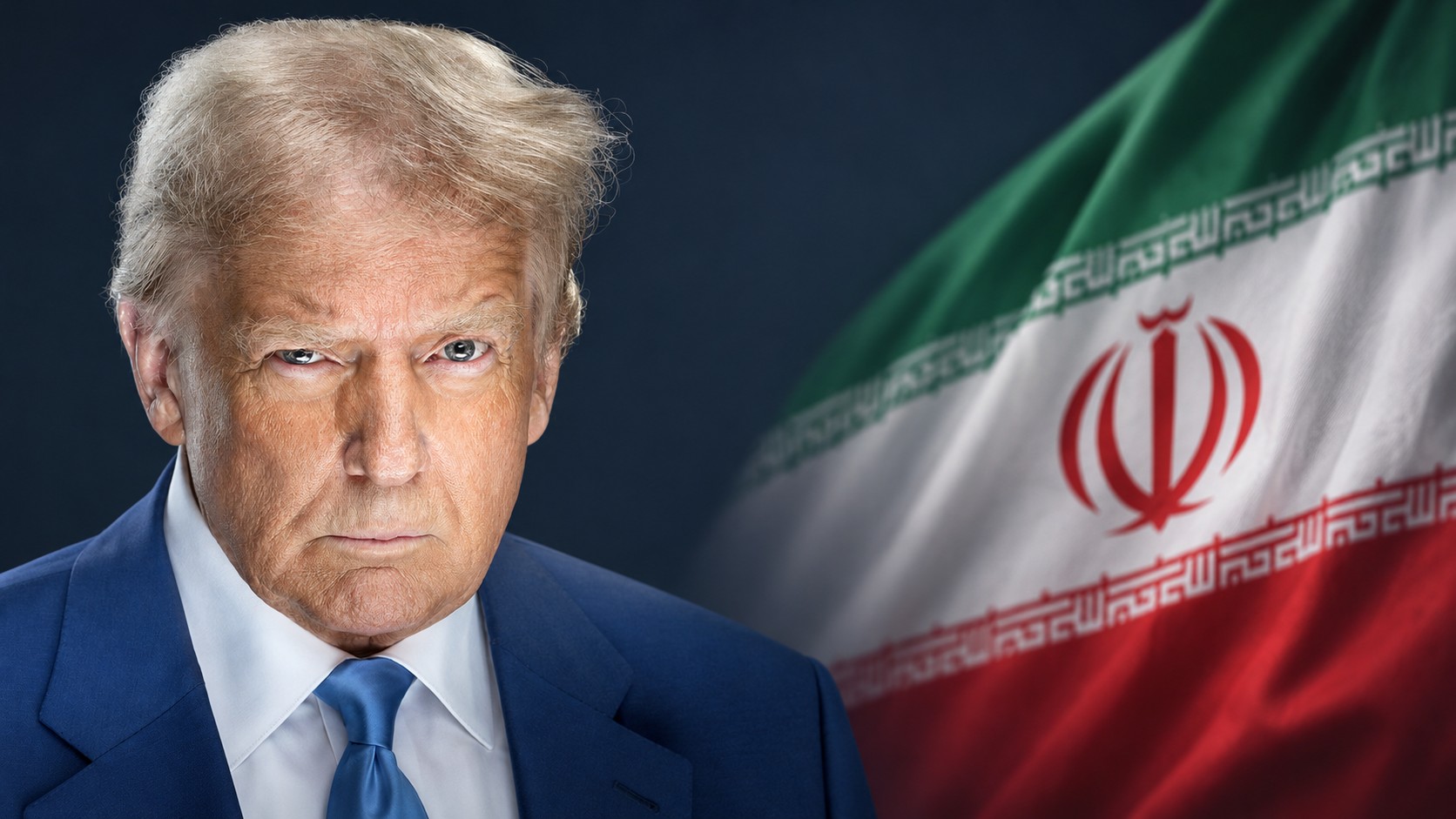
President Donald Trump has threatened Iran with "the hammer," saying he has held back because he wants to save lives, while also claiming some people are angry he hasn't completely annihilated the country.
The comments came in two separate appearances: a campaign rally in Dubuque, Iowa, on November 1, and an interview with Miranda Devine released on November 2. They arrive as Iran says a deal to reopen the Strait of Hormuz depends on Washington accepting its demands.
In the interview, Devine asked Trump about Republicans who were angry because they expected him to be the "no-wars president." He answered that he hadn't had much of a war, then argued that he was also hearing complaints from people who wanted him to go further.
There were also people angry because I didn't completely annihilate them. You know, I've got all sorts of groups. I have those people too.
He didn't identify the people he said had urged him to go further.
Trump says he's holding back to save lives
At the Iowa rally, Trump framed the decision to hold off on further attacks as a choice to spare people, before warning that his patience had limits.
I want to try and save all those lives if I can.
Then came the threat, captured in RSBN's full recording:
But at some point, we're going to have to give them the hammer.
He didn't give a date for that action in the rally passage. His interview also left room for negotiations. Asked whether Iran had proved resilient, Trump said the United States hadn't finished it off because Iranian officials wanted to talk and kept talking. He said they wanted a deal and that he would see about one.
Asked what he wanted to achieve, Trump said Iran couldn't have a nuclear weapon. He claimed officials there understood that position, repeating that they weren't going to get one.
When Devine asked whether that required regime change, he said Washington also needed somebody to talk to. He argued that U.S. attacks had already changed Iran's leadership, rather than offering a separate plan for replacing its government.
Apex had earlier reported that Benjamin Netanyahu was pressing Trump to strike Iran immediately after the November 3 midterm elections, while Trump wanted to give negotiations more time. The account described a phone call between the two leaders on Saturday. Both the White House and Netanyahu's office declined to comment on that reporting.
Iran says the next move is Washington's
Iran's foreign ministry offered its own version of the choice on November 2. Spokesman Esmaeil Baghaei said the Strait of Hormuz could reopen within two days if the United States met Tehran's demands, according to Xinhua's Tehran report.
At his weekly press conference, Baghaei said Iran had shortened the implementation period for its proposal from seven days to two. He described that as a sign of good faith, but insisted Washington must end its naval blockade and address what Tehran calls its legitimate demands before an agreement could be reached.
The proposal was first passed to the United States through mediators on September 22, on the sidelines of the United Nations General Assembly in New York. Messages about it have continued since then.
The two-day window is conditional. Iran hasn't announced an unconditional reopening date, and Baghaei's comments put the decision back on the American side. He said meeting Iran's demands would allow security to be restored to the strait and the negotiation process to begin quickly.
The United States and Israel launched joint attacks on Iran on February 28. Iran answered with missile and drone attacks against Israel and U.S. bases and assets in the region, while tightening its grip on the strait.