

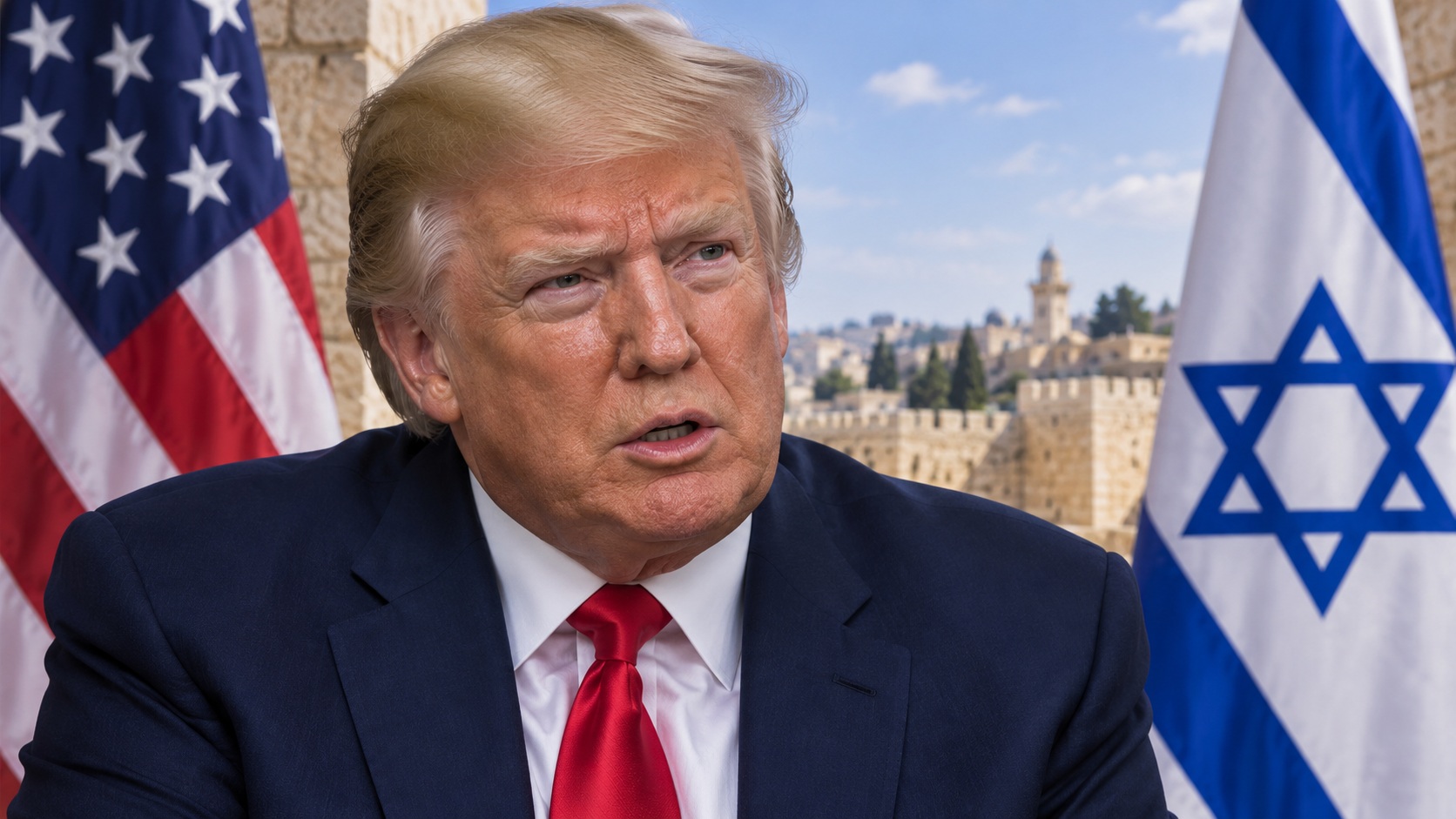
Donald Trump joked that he would move to Israel and become its prime minister if Americans grew tired of him, turning a boast about his popularity into a remark about life beyond the White House. He made the comment during a November 3 telephone interview on Fox & Friends, as Americans voted in the midterm elections.
The president had been defending the U.S.-Israel relationship and claiming that he enjoyed a 99% approval rating in Israel. He did not identify a poll or offer evidence for that figure. The line came late in a discussion of American aid and the electoral arguments surrounding it, as he defended his relationship with Netanyahu.
What Trump actually said
In the full interview, Trump said:
"If people got tired of me in the U.S., I will move to Israel and become prime minister."
He followed that by calling his claimed 99% rating the highest approval rating of anybody in history.
He did not give a relocation date or outline a process for taking office in Israel. The hosts had asked about weakening American support for Israel, particularly among younger voters.
Trump's current U.S. presidential term is scheduled to end on January 20, 2029. The Constitution's 20th Amendment fixes the end of presidential terms at noon on January 20.
Netanyahu has been thinking about the post-Trump relationship
The joke comes against a more serious discussion in Israel about how much its relationship with Washington depends on Trump personally. As Apex previously reported, Benjamin Netanyahu raised the prospect of a hostile future American administration in an interview published on October 22.
Netanyahu argued that his experience would let Israel benefit from Trump's friendship while resisting pressure from a less friendly successor. He did not identify a future president or say that a break with Washington was certain. He also called for strengthening Israel's American support and widening its international partnerships.
That concern helps explain the significance of Trump's personal claim to popularity. Netanyahu has been making a case for managing the relationship after the American president leaves office; Trump, in this exchange, imagined remaining involved from the Israeli side.
The same interview carried a consequential aid claim
Trump's comments about becoming prime minister followed discussion of American assistance to Israel. He said he and Netanyahu had agreed to end roughly $4 billion in annual aid by the end of 2026, while allowing Israel to keep buying American weapons.
He attributed the idea to Netanyahu:
"I was approached by Bibi Netanyahu, and we've been talking about it for a couple of years because it's a lot of money."
The claim was not accompanied by a detailed implementation plan. The existing military-assistance framework provides about $3.8 billion annually through 2028, and the hosts repeatedly asked whether he meant weapons, cash or other forms of support. He continued using the rounded $4 billion figure.
Trump also connected the issue to domestic politics. He argued that ending the payments would remove a line of attack from opponents criticizing U.S. support for Israel, specifically referring to Michigan's Democratic Senate nominee, Abdul El-Sayed. His comments landed while control of Congress was being decided at the ballot box.
A spokesman for Netanyahu told NBC News he did not know about Trump's remarks and would check for details. That response left the alleged accelerated aid timetable without confirmation from the prime minister's office at the time of the report.
Israeli opposition leader Yair Golan criticized the prospect in a statement reported by NBC, saying that ending American aid would severely damage Israel's security. He pointed to the country's need to replenish offensive weapons and restore air-defense capabilities after prolonged war.