

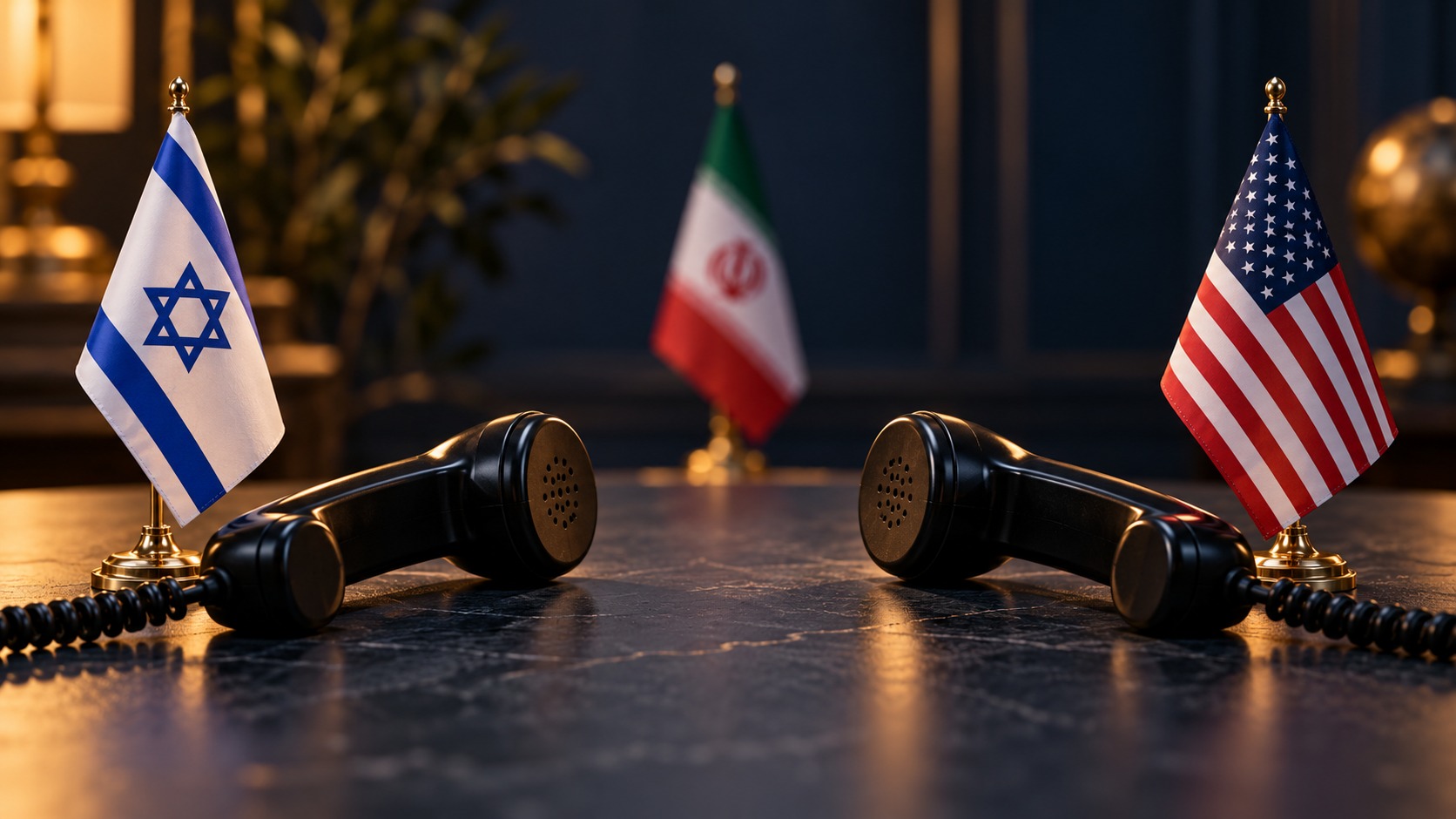
Benjamin Netanyahu is pressing Donald Trump to strike Iran immediately after Tuesday's U.S. midterm elections, but the president wants to give negotiations more time, according to an Israeli source and a U.S. source cited by Axios.
The two leaders discussed the next step in the war during a phone call on Saturday. Their reported disagreement comes as Qatar tries to arrange a diplomatic opening between Washington and Tehran, while the United States also prepares for possible renewed combat.
The Israeli source described the conversation as tough, while the American source called it direct, according to Barak Ravid's report published on Sunday. Both the White House and the Israeli prime minister's office declined to comment.
Netanyahu's concern, the sources said, is Trump's willingness to let the negotiations play out. The Israeli leader wants military action right after the November 3 elections. Trump, for now, is holding off on that push.
Channel 12's account, carried by The Times of Israel, said Netanyahu fears negotiations could lead to a dramatic easing of pressure on Iran. It also said Trump wants Israel to avoid interfering with diplomacy for now.
Trump is still threatening strikes
The president's public comments show how much room he is leaving for military action even while the diplomatic effort continues.
Speaking to reporters on Saturday, Trump said negotiations with Iran were going fine and that he was not in much of a hurry. He also called Iranian officials unreliable, accusing them of making agreements and then backing out.
At the same time, he said the United States still needed to take care of one or two nuclear sites. Naming Pickaxe Mountain, a suspected nuclear site built into a mountain, he said:
We can do that in 10 minutes. We have that planned. You can look at Pickaxe Mountain. We need to take care of that. We can do that very quickly.
Previous U.S. operations against Iran included Midnight Hammer in June 2025 and Epic Fury in February. Trump pursued diplomacy alongside military preparations before those attacks, Ravid noted.
Qatari mediators met Iranian officials on Sunday for a third consecutive day, according to the report. Their immediate goal is an agreement that would allow direct U.S.-Iran negotiations to restart.
Iran wants concessions before the next step
Vice President JD Vance sent a letter last week to Iranian national security chief Mohsen Rezaei about potentially restarting talks. Axios described it as the most senior U.S. outreach to Tehran in several months.
Iran's foreign minister, Abbas Araghchi, said on Sunday that no agreement had been reached. An Iranian deputy had traveled to Doha after Qatari officials held consultations in Tehran, but Araghchi said no direct meeting with the Americans had taken place or been planned.
Iranian state broadcaster Press TV quoted him setting out the choice he wants Washington to make:
We are making our efforts and hope there is enough rationality on the other side to prefer diplomacy to other options.
He added that Iran was fully prepared for those other options too, according to the broadcaster's account.
As Apex previously reported, Tehran says a plan to reopen the Strait of Hormuz could be implemented in two days if Washington meets its conditions. Those include sanctions relief, restored oil waivers and the release of frozen Iranian funds.
The shortened timetable concerns implementing an agreement, with Iran still waiting for a U.S. response. It does not mean ships have been promised an unconditional reopening within 48 hours.
Araghchi said his deputy was expected back from Qatar later on Sunday to report on the consultations. Iran's Foreign Ministry is also scheduled to hold its weekly press briefing on Monday, November 2, before Americans vote in the midterms the following day.