
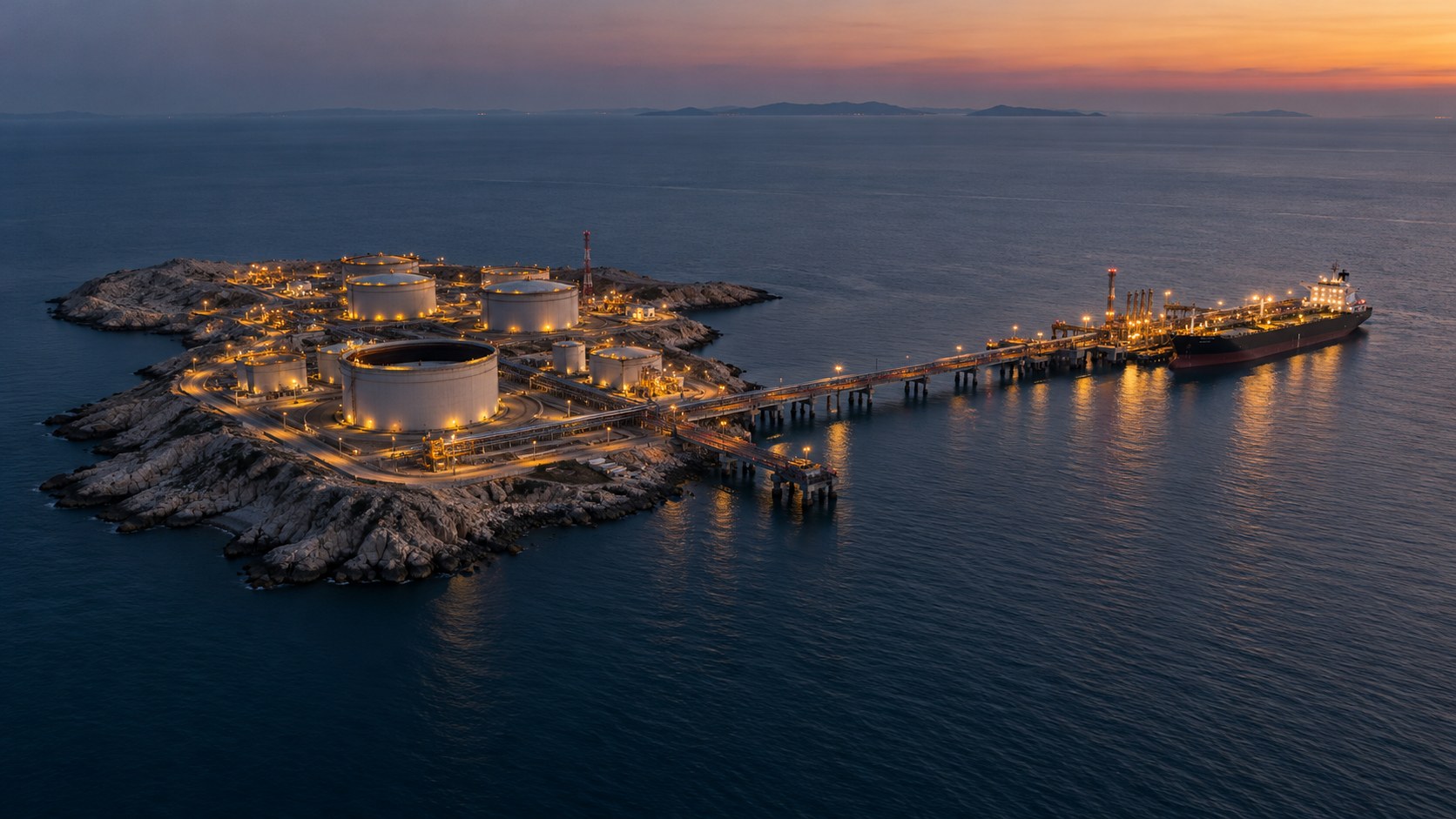
Donald Trump is considering strikes on Kharg Island, Iran's main crude-export hub, as a way to force concessions before the U.S. midterm elections, according to a new report. The target would put pressure directly on the infrastructure that moves Iranian oil to overseas buyers.
Kharg handles roughly 90% of Iran's crude oil exports, according to the report. That concentration makes it an attractive pressure point for Washington and a potentially dangerous one for an energy market already dealing with disrupted Gulf shipping. The discussions have not produced a final decision to attack, the report says.
Tanks, pipelines and loading facilities are among the reported options
UAE-based Erem News reported on October 19 that Trump was discussing the option with senior advisers and officials at the Pentagon and CIA. It cited American diplomatic sources close to White House officials.
The options described include targeted attacks on Kharg's storage tanks, pipelines and loading facilities, alongside military installations on the island or elsewhere in Iran. The reported aim is to change Tehran's negotiating position on its nuclear program and the reopening of the Strait of Hormuz.
The account rests on unnamed sources. It describes deliberations about possible targets and their political effect, rather than an announced operation or an approved timetable.
Erem also linked the discussions to the November 3 congressional elections. Its sources portrayed the White House as looking for concessions that could be presented as a foreign-policy achievement before Americans vote.
That creates an awkward calculation. Damage to export infrastructure could squeeze Tehran financially, but it could also add to energy-market uncertainty while Trump is trying to bring down fuel costs.
Why this island matters so much
Kharg's importance comes from its role as a collection and loading point for crude. Pipelines, storage and tanker berths concentrate a large part of Iran's export system in one place.
The U.S. Energy Information Administration's background assessment identifies Kharg as Iran's largest export terminal and says most of the country's crude exports pass through it. That older structural description supports the island's strategic importance, rather than providing a real-time count of wartime shipments.
For Iran, disruption would threaten the movement of a key export and the revenue it brings. For buyers and shipping companies, the concern would extend to loading schedules, insurance and whether tankers could safely reach terminals and leave the Gulf.
The threats are getting louder while diplomacy continues
The Kharg report follows a fresh exchange of public warnings. In an October 18 Truth Social post reported by IranInternational, Trump threatened further action against Iran:
They have been systematically destroyed, both militarily and financially, and unless they change their ways, rapidly, we will soon finish the job.
Iranian Foreign Minister Abbas Araghchi responded on X, according to the same report:
Want to try your luck again? Be our guest. But be careful; we have unfinished jobs too.
Those warnings sit alongside indirect diplomacy. Erem reported that Tehran's seven-day proposal for reopening Hormuz remained on the table, while disagreements persisted over the U.S. blockade, oil sanctions, an end to hostilities and nuclear concessions.
In the account given by Erem's sources, Washington wants concessions on the nuclear program and freedom of navigation before meeting Iran's economic demands. Tehran wants relief from military and economic pressure as part of the process.
Oil prices make the gamble harder
The market was getting some relief early October 19. The Associated Press reported Brent down about 2.1% to $107.55 a barrel as Trump's waiver of new Russian sanctions raised expectations of additional fuel supplies. That was an early-session observation, not the day's closing price.
A Kharg strike would introduce a different risk: potential damage to physical export capacity while Gulf shipping remains contested. Any effect on prices would depend on the damage, the duration of disruption and the response from Iran and other suppliers.
The island's concentration of oil infrastructure is exactly why it offers leverage. It is also why using that leverage could complicate the White House's effort to make energy cheaper before Election Day.