

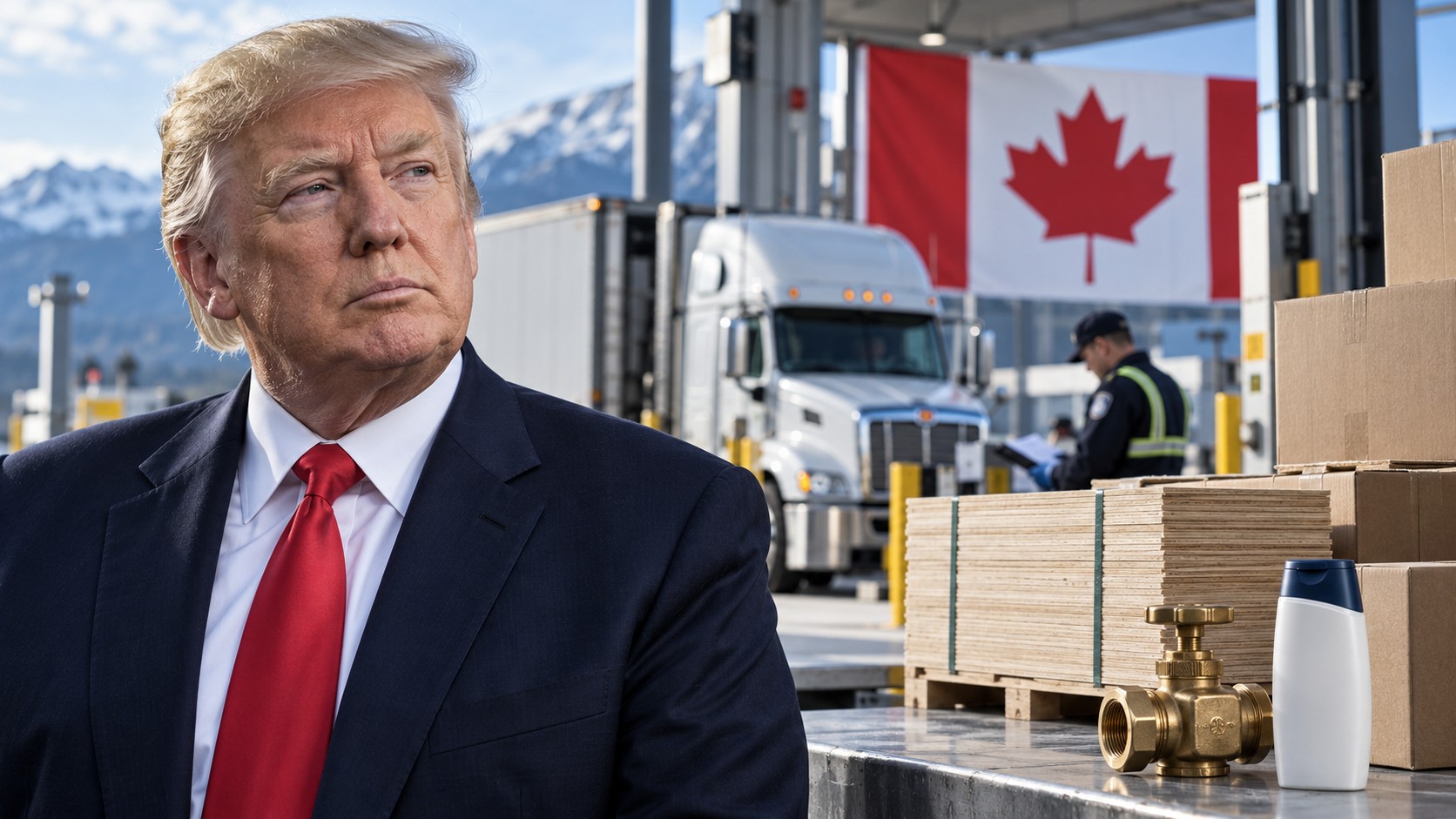
Donald Trump is giving some American businesses a break on Canadian imports, then sending a new tariff bill to others. A proclamation signed October 23 removes the extra 50% duty from selected packaging, plywood and agricultural equipment, while extending it to goods including shampoo, sweetened cocoa powder and flooring.
The changes take effect October 30. They offer relief to Maine farmers and processors who depend on Canadian supplies, after Republican Sen. Susan Collins pressed the administration for exemptions. But the revised list also reaches plenty of products that have little obvious connection to blueberries or potatoes.
Which Canadian goods get relief?
The White House proclamation removes the additional duty from 22 tariff classifications and adds 100 others, according to a comparison of its two annexes. Those are counts of customs categories, not dollar amounts, so they cannot tell us whether the overall import tax burden rises or falls.
The exemptions cover edible seaweed, specified thin plywood sheets, corrugated paper boxes, certain plastic packing containers and bags, and selected paper products. Equipment for packing or wrapping goods and machines for cleaning, sorting or grading agricultural produce also receive relief.
For a producer that needs a particular Canadian machine or container, changing suppliers can be more complicated than finding a cheaper quote. Collins said the exemptions would help Maine's blueberry, potato, apple and seaweed industries. She explained the problem in a statement reported by CTV News:
"Many of our farmers and growers rely on specialized equipment, packaging materials, and other products from Canada that are either unavailable from American suppliers or cannot be replaced without incurring significant expense."
The immediate benefit goes to businesses importing those supplies. U.S. importers pay the duties at the border, then decide how much of the cost they can absorb or pass along to customers.
The new tariff list reaches into everyday shopping
The other half of the list adds specified sweetened cocoa powders, shampoo, certain soaps and cleaning preparations, non-tile vinyl flooring, numerous carpets and rugs, and some paints and sealants. It also includes hand-operated iron or steel valves, certain laboratory reagents and wooden coffins.
Even similar-sounding goods can end up on opposite sides. Corrugated paper boxes and certain plastic packing containers lose the extra duty. Wooden packing boxes with solid sides, lids and bottoms gain it. Some refrigeration equipment receives relief, while chest freezers of no more than 800 liters are newly covered.
That makes the customs classification important for businesses planning their next shipment. The order applies to goods entered for consumption, or withdrawn from a warehouse for consumption, from October 30. Simply dispatching a truck before that date does not establish which rate will apply.
The exemptions remove this particular 50% surcharge. Other applicable duties remain relevant, and the proclamation explicitly says the Section 338 charges apply in addition to tariffs imposed under Section 232, the separate national-security trade authority.
A political win for Collins, with the trade fight still running
Collins is facing Democrat Troy Jackson in the November 3 election. Reuters reported that she urged the White House to address tariffs hurting Maine companies and farmers. Her argument highlights an awkward consequence of the policy: taxing Canadian suppliers can also raise costs for American businesses that rely on them.
Trump sounded optimistic about a wider agreement on Friday, saying Canada was working hard to make a deal and that Washington had "all the cards." Canadian Prime Minister Mark Carney offered a more patient position, telling reporters in Istanbul, as CTV News reported:
"We continue to be ready to sit down in good faith to negotiate a trade deal that is in both of our interests."
Carney said Canada could wait months, longer, or even until another administration if necessary to secure a proper agreement. Those comments accompanied the tariff changes; neither side announced a completed trade deal.
The president is using Section 338 of the Tariff Act of 1930, citing what his administration calls Canadian discrimination against U.S. commerce. As Apex previously reported, food importer Gellert Global Group filed a lawsuit on October 20 challenging that authority and seeking refunds.