

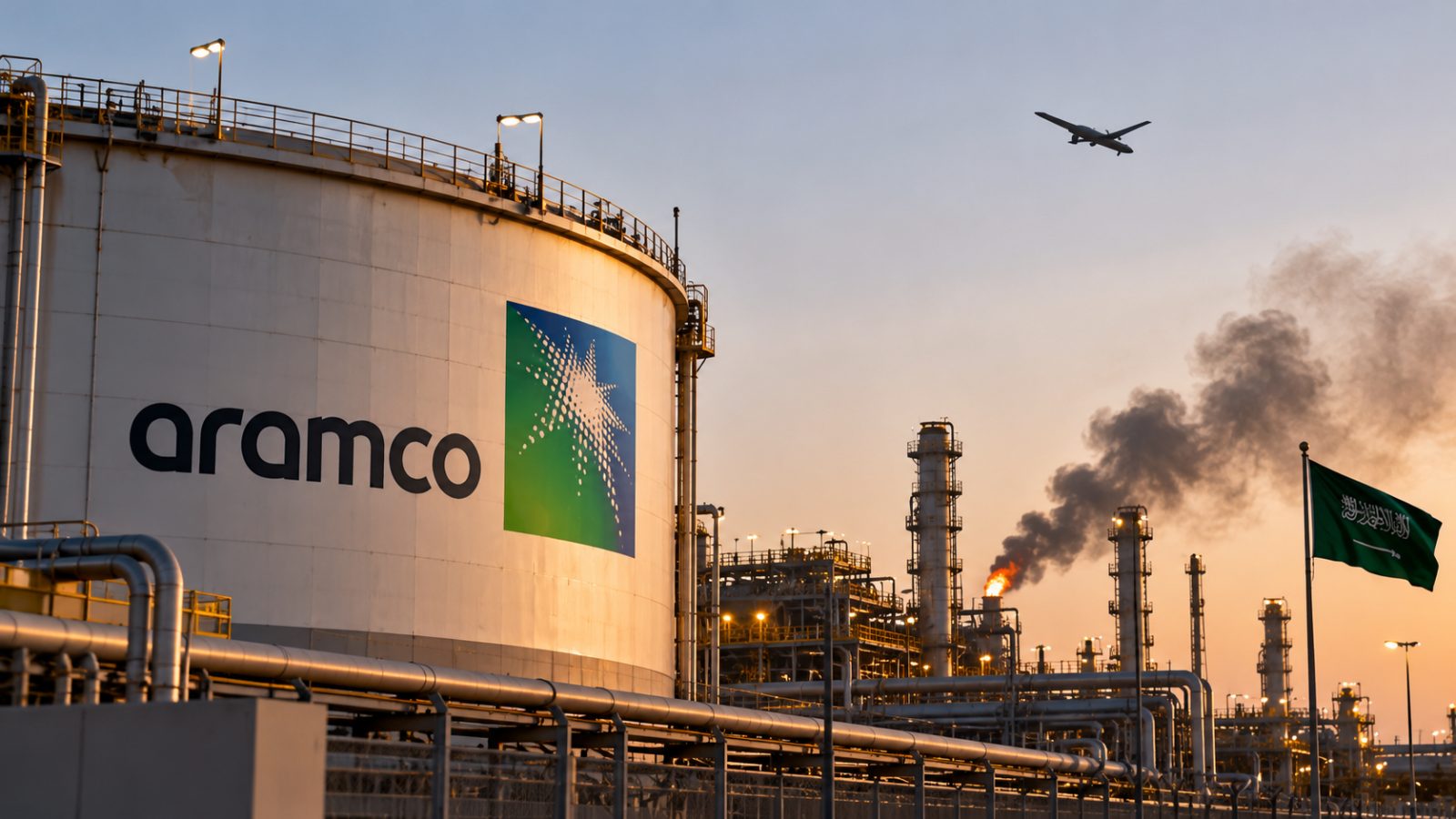
Saudi Aramco has suffered another attack-related incident, this time in Riyadh, where debris from an intercepted missile strike damaged one of the oil giant's administrative buildings on Sunday, November 8.
The incident came hours after Saudi airstrikes reportedly killed at least 33 people in Yemen, raising concerns that the fighting between Saudi Arabia and the Houthis is getting worse.
Reuters alleges that several floors of the Aramco Tower had shattered windows, although Saudi Arabia's Energy Ministry said the damage was minor. Nobody was killed or injured. The attack also comes as Washington faces growing pressure to end its war with Iran.
Saudi Arabia intercepts Houthi missiles as attacks intensify
Residents of Riyadh heard several explosions Sunday morning after Saudi Civil Defense warned of a possible incoming attack.
Authorities eventually lifted the warning, while the Saudi-led military coalition reported destroying two cruise missiles targeting the capital and southern Saudi Arabia.
The damaged Aramco building stands in the King Abdullah Financial District, one of Riyadh's main business centers.
Earlier, similar emergency alerts had been issued across parts of the Eastern Province, including Dhahran, where Aramco maintains its headquarters.
That region contains most of Saudi Arabia's oil and natural gas reserves, making attacks there particularly concerning for energy markets.
The company's Dhahran headquarters had already suffered major destruction during an October attack.
The violence has become increasingly frequent since July, when fighting resumed between Saudi forces and Yemen's Iran-backed Houthis.
Missiles and drones have targeted airports, shipping facilities, and petroleum infrastructure.
One particularly deadly incident occurred on October 10, when an attack on King Khalid International Airport killed 13 people and injured more than 300, according to Saudi authorities.
The latest confrontation followed Saturday's Saudi air raids near Sanaa, which Yemen's Houthi-controlled Health Ministry said killed at least 33 people.
Saudi officials said they were examining those reports.
The fighting has effectively ended the relative calm established under a United Nations-mediated ceasefire in 2022.
Saudi Arabia originally entered Yemen's civil war in 2015 alongside other Arab countries, seeking to restore the internationally recognized government after Houthi forces captured Sanaa.
Iran war threatens further escalation despite US political pressure
The attacks are unfolding against a much larger regional conflict that intensified after American and Israeli strikes against Iran in February.
Despite growing hopes for a diplomatic breakthrough, analysts warn that Washington and Tehran could return to more direct fighting.
Oil prices, of course, continue to react to political uncertainty, as crude lost more than 16% across five trading sessions after US Vice President JD Vance linked Republicans' midterm election defeat to the unpopular war.
His comments raised doubts about how much political support the Trump administration still has for continuing military operations.
Democrats, who won majorities in both chambers of Congress, intend to pursue a war powers resolution requiring Trump to bring the conflict to an end.
However, their newly elected lawmakers cannot exercise those congressional majorities until January.
That leaves Washington facing several more weeks of uncertainty while Saudi Arabia continues confronting Houthi attacks on its territory.
For Aramco, the immediate concern remains protecting its facilities as regional hostilities increasingly threaten the kingdom's energy infrastructure.