
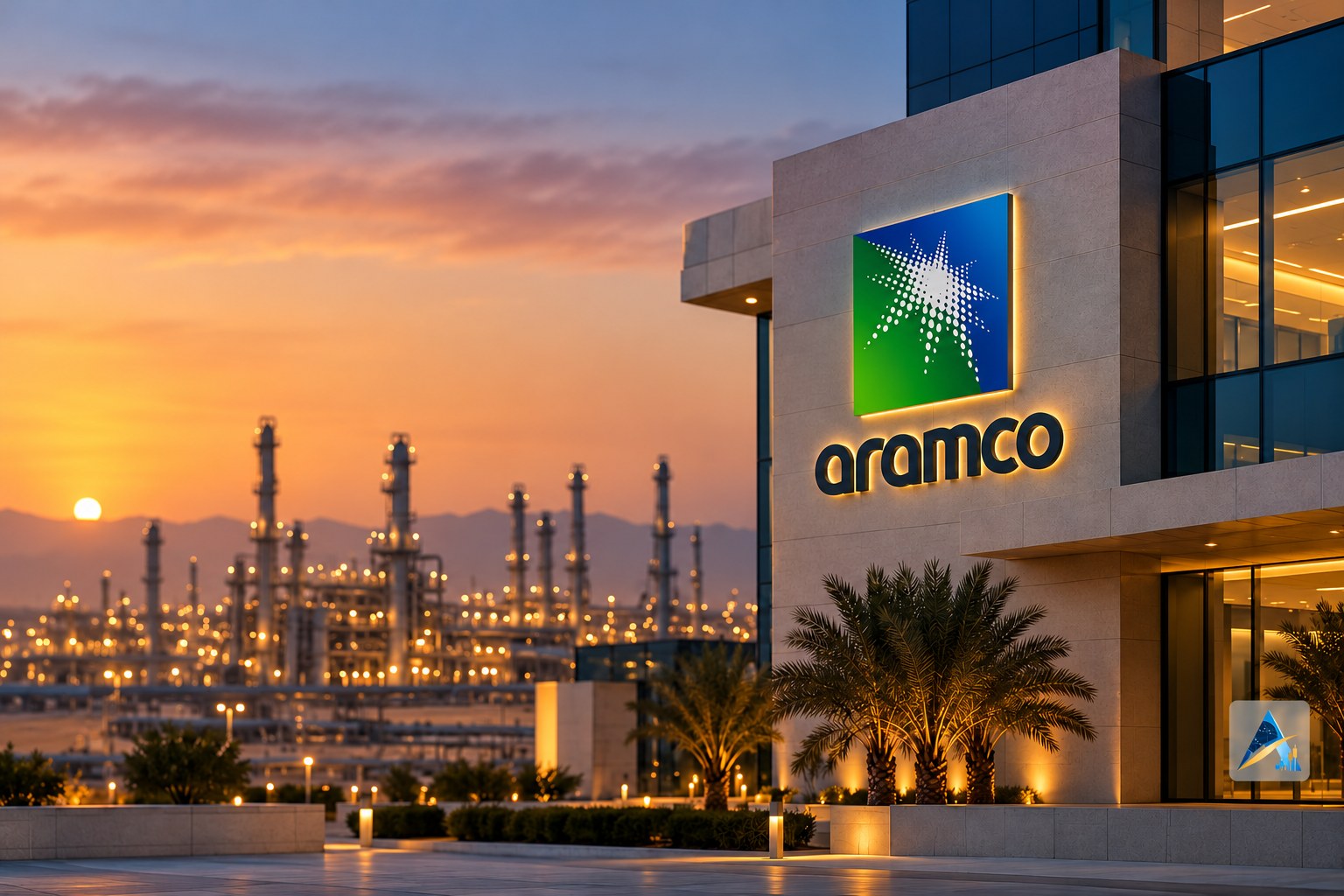
Saudi Aramco's headquarters in Dhahran was evacuated on October 13 as loud booms and reports of smoke brought the Saudi-Yemen confrontation to the offices of the world's largest crude oil company by production volume. The suspected Houthi attack followed threats against Aramco facilities and Saudi strikes on fuel infrastructure in Yemen.
Saudi authorities said a Houthi ballistic missile aimed at Dhahran had been intercepted and destroyed, with debris falling in a residential area. What remains unconfirmed is whether the headquarters suffered a direct missile hit, the full extent of any damage, and whether the incident affected oil production or exports.
Reuters reported booms near the evacuated headquarters, citing sources familiar with the situation. One source reported smoke coming from the headquarters. Aramco had not commented in that report. Bloomberg subsequently reported that a fire at the headquarters compound had been extinguished; the cause and scale of damage remained unclear.
Missiles reach the heart of Saudi energy
The Saudi-led coalition's spokesman, Major General Turki Al-Malki, identified the missile as Houthi-launched. The Saudi Press Agency's notice described the aftermath:
Al-Malki noted that debris from the interception fell into a residential area in Dhahran. Relevant authorities are currently dealing with the situation.
That account establishes what Saudi authorities say happened to the missile. It does not establish whether debris caused the reported fire at Aramco, or confirm a direct strike on the company's offices.
Earlier, Houthi military spokesman Yahya Saree warned people near Aramco installations in Riyadh to leave, describing them as targets for the group's forces. The threats came as the coalition warned civilians to leave the Yemeni Oil Company's al-Sabah facility near Sanaa before airstrikes. The coalition accused the Houthis of using the site and underground storage for missiles and drones.
Fuel facilities become part of the confrontation
The Yemeni Oil Company disputed the military-use allegation. In an October 13 statement carried by Houthi-controlled SABA, it described the facilities hit in Sanaa and Bajil as civilian service infrastructure and said fuel supplies remained stable. Those are the company's claims, not an independent assessment of the facilities or available stocks.
The exchange puts energy infrastructure alongside airports and shipping routes in the expanding conflict. As previously reported by Apex, projectile attacks and Iranian restrictions have also threatened tankers using the Strait of Hormuz. The Dhahran incident adds a separate risk inside Saudi Arabia; it does not establish a new volume of oil removed from world supply.
Baraa Shiban, a Yemen specialist at the Royal United Services Institute, told the Guardian:
Saudi Arabia is struggling to respond to the Houthi’s improved arms technology. Until relatively recently Houthi missiles and drones fell in desert areas or if they got through were intercepted. They have learned how to deploy drones that fly lower and are smaller, and are less easy to detect. They are cheap and it does not take many to get through to be effective.
His warning concerns the wider challenge to Saudi defenses. It does not identify the weapon responsible for the reported fire in Dhahran.
What the incident means for oil supply
Aramco describes its position as the world's largest crude oil company by production volume in its 2025 annual report. Its headquarters and its production, processing and export facilities serve different functions. A reported incident at the corporate compound cannot, by itself, establish how many barrels are disrupted.
Apex's October 13 market snapshot showed Brent at $105.69 a barrel, down 0.90%, and WTI at $94.14, up 0.43%. Both quotations were delayed by 10 minutes. Their mixed moves do not isolate the incident's effect on prices. Confirmation of damaged operating facilities, interrupted exports or lost production would materially change the assessment of the attack's economic consequences.