

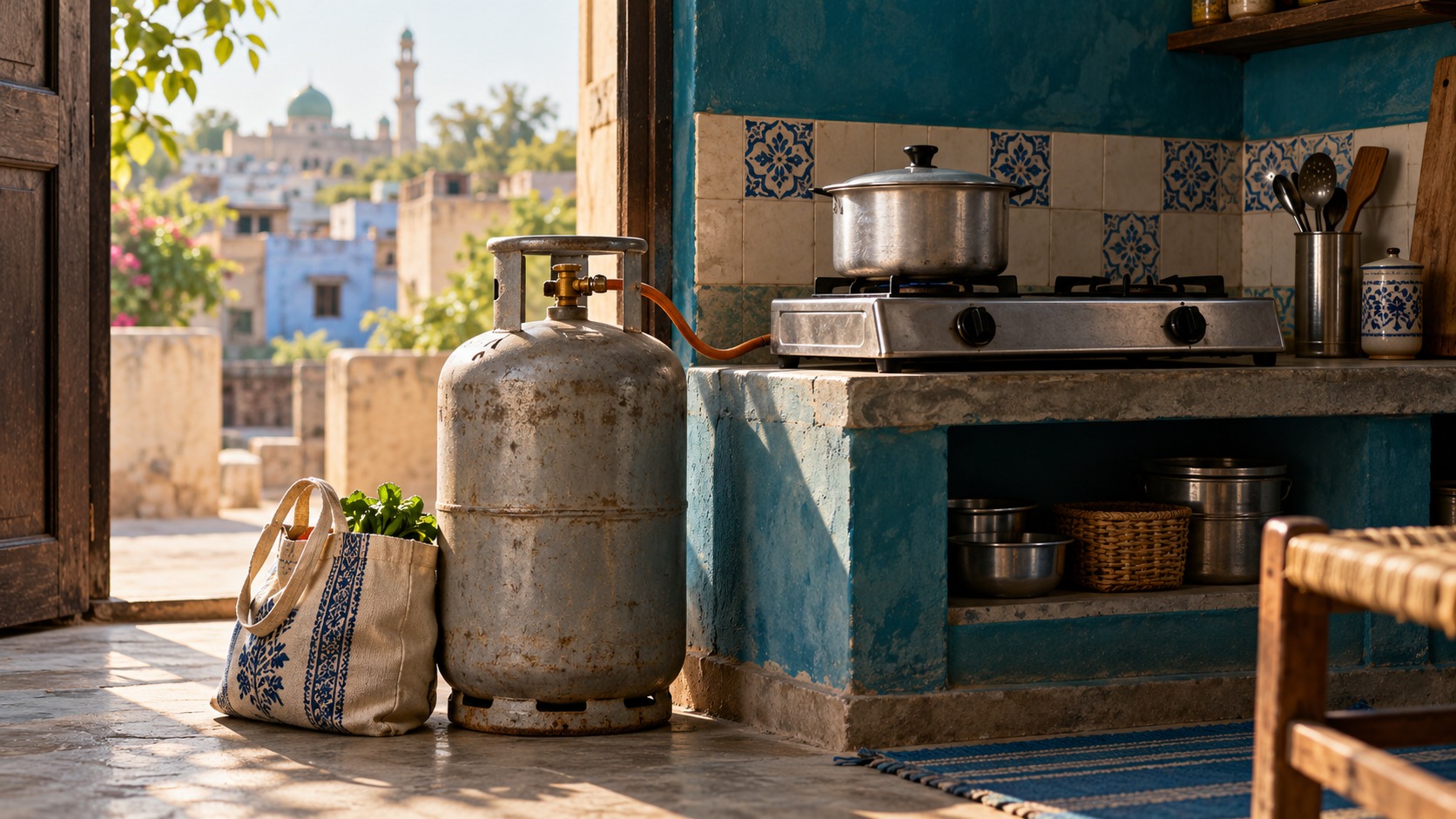
Families in Pakistan are being asked to pay 7,000 rupees for a 12-kilogram cylinder of cooking gas, up from 4,500 just days ago. Supplies from Iran stopped after Pakistan closed two border crossings on October 17, leaving gas tankers stuck alongside trucks carrying food and other goods.
Turkish news agency ILKHA reported those prices on October 24. The increase works out to nearly 56%. People in different parts of Pakistan are paying different prices.
The border closed, and the gas stopped coming
The agency's report said imports of liquefied petroleum gas, or LPG, had stopped through the Gabd-Rimdan and Taftan crossings. LPG is the bottled gas used for cooking and heating, including in homes that cannot rely on piped gas.
Gabd-Rimdan reopened on October 21 for Pakistani exports of food that could spoil. Gas imports from Iran had not resumed, according to the same account. More than 1,000 Pakistani containers carrying potatoes, bananas and rice had also been caught up in the closure.
Dawn's October 18 reporting from Gwadar and Quetta said Pakistan's Commerce Ministry had withdrawn an earlier trade order without giving a reason in the directive. The Quetta Chamber of Commerce and Industry advised businesses to stop placing new import and export orders with Iran until further notice.
The official price is much lower
Pakistan's Oil and Gas Regulatory Authority, known as OGRA, set October's maximum consumer price at 279.34 rupees per kilogram. Its original notice puts the price of an 11.8-kilogram domestic cylinder at 3,296.23 rupees. Those rates took effect on October 1 and cover locally produced and imported LPG.
The cylinder sizes matter here: the traders' 7,000-rupee figure is for 12 kilograms, while the regulator lists an 11.8-kilogram cylinder.
In an October 21 report, Dawn found prices reaching 600 rupees per kilogram in hilly areas and 500 rupees in Punjab and Khyber Pakhtunkhwa. LPG Distributors Association chairman Irfan Khokhar blamed weak enforcement:
"The entire situation stems from the regulator’s mismanagement and lack of oversight."
Khokhar called for immediate imports and changes to the way prices are set. He wanted the government to account for the cost of both local and imported gas, similar to the approach used for gasoline and diesel.
Winter will put more pressure on supplies
The shortage comes as gas use normally rises in colder weather. The October 21 account put daily LPG demand at around 4,000-4,500 metric tons, rising to 6,000-7,000 during peak winter. Heating adds to cooking demand, while cuts to piped gas push more households toward cylinders.
The government has also raised concerns about hoarding. In a letter reported on October 18, the Petroleum Division said imported gas was not being regularly collected from terminals. It asked OGRA to investigate and make sure supplies reached consumers, particularly in remote and hilly areas. Plans to sell locally produced gas through open bidding have also been held up in court, the government said.
Lawmakers want answers before December
Energy supplies came up in Pakistan's Senate on October 23. In its October 24 coverage, The Express Tribune reported that Senator Sherry Rehman pressed the government for a plan:
"What is the government's plan for the availability of petroleum products? Will there be rationing?"
Rehman also raised Pakistan's dependence on imported LPG and asked for a clear plan for supplies. Opposition leader Raja Nasir Abbas warned that the country was already facing an LPG shortage.
Minister of State for Finance and Revenue Bilal Azhar Kiani told the Senate there were no fuel supply problems. He pointed to government fuel subsidies for motorcyclists, rickshaw and loader operators, and small-car users during the wider debate about petroleum supplies.