
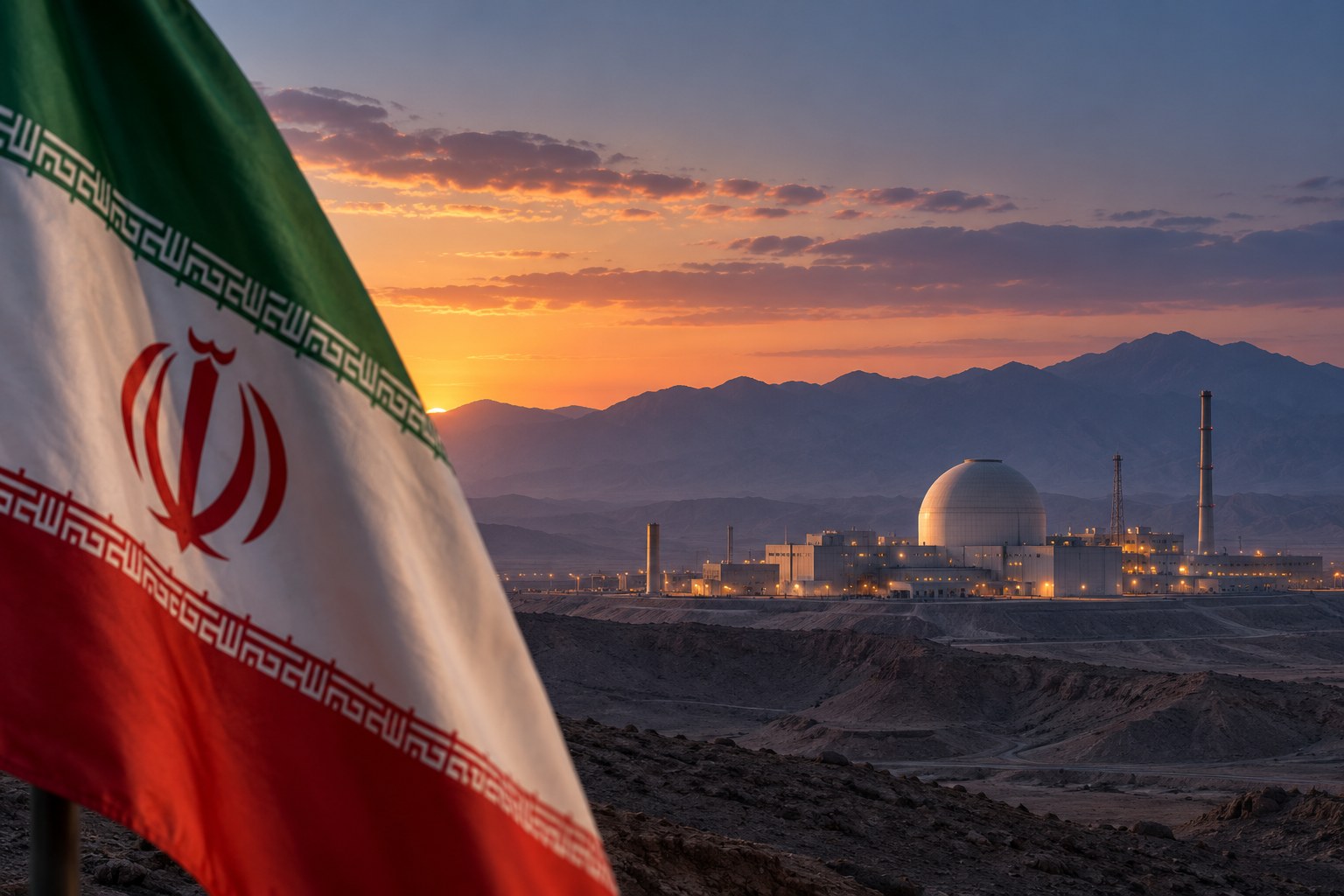
An Iranian lawmaker is predicting that Mojtaba Khamenei will take a different position on nuclear weapons from his late father, while openly arguing that Iran should acquire an atomic bomb. The comments put the new supreme leader's stance at the center of a widening debate over how Tehran should deter another attack.
Ahmad Naderi presented that prediction as his own reading of Khamenei's behavior. He did not quote a new ruling from the supreme leader. The distinction matters because the prospect of changing a religious prohibition is now being discussed alongside explicit political demands for nuclear weapons.
A lawmaker says the old position could change
Iran International reported Naderi's comments on October 18. He said:
From Mojtaba Khamenei's conduct, my understanding is that his fatwa will be different.
Ali Khamenei's religious ruling opposed the development of nuclear weapons. His son's position is now being interpreted by a politician who says he has supported acquiring an atomic bomb for more than a decade.
Naderi argued that Iran should pursue what he called ultimate military deterrence. He also said calls for nuclear deterrence were becoming more prominent among Friday prayer leaders and representatives of the supreme leader.
That gives the argument a particular significance. Naderi is pointing to voices within the Islamic Republic's religious and political establishment, rather than describing a demand coming only from outside critics. His proposed answer to the country's security problems is a weapon his former supreme leader opposed.
A new defense chief arrives with a warning
The nuclear debate came as parliament approved Mehrdad Akhlaghi Ketabchi as defense minister on October 18. He received 237 votes in favor, according to Iranian government figures reported by AFP.
Akhlaghi replaces Aziz Nasirzadeh, who was killed in the opening U.S.-Israeli strikes in February. He brings decades of experience in the defense industry, including leadership of the Defense Industries Organization, the state weapons manufacturer.
Speaking to reporters after the vote, he warned Washington against resuming attacks. AFP quoted him saying:
People can rest assured that they will most likely not dare to attack us. If they (the US) do, they themselves and the region will suffer enormous damage.
Those remarks frame the task facing Iran's military leadership: convincing its opponents that another attack would carry an unacceptable cost. Naderi's demand for an atomic bomb pushes that same deterrence argument much further.
Washington wants a commitment against rebuilding
The American position is moving in the opposite direction. Vice President JD Vance said Washington had achieved a decisive military advantage but could not consider the conflict finished without a firm Iranian commitment not to rebuild its nuclear program, according to the October 18 report.
That leaves a difficult gap between the positions being aired. A U.S. demand for guarantees against rebuilding is colliding with an Iranian politician's argument that the country needs a stronger nuclear deterrent. The supreme leader's eventual position would have consequences for both the domestic debate and any attempt to negotiate limits.
The conflict is also being argued over at sea. Foreign Minister Abbas Araghchi said Iran was reviewing Washington's comments on a seven-day proposal to reopen the Strait of Hormuz.
He said the waterway would reopen on the sixth day if the United States met Iran's conditions, with negotiations resuming on the seventh. He described the conditions as clear and fair, and said Washington had previously accepted them. That was Tehran's account of the proposal; implementation remained unresolved.
Israel keeps regime change on the agenda
Israeli Prime Minister Benjamin Netanyahu added another warning at a security briefing in Jerusalem on October 18. The Times of Israel reported him saying: "The regime must fall, and I will bring it down."
Netanyahu described a security doctrine that gives priority to preemptive offensive action over containing threats. He continued to present the Iranian leadership's removal as a strategic objective, even after the military campaigns of 2025 and 2026 had failed to produce that outcome.