

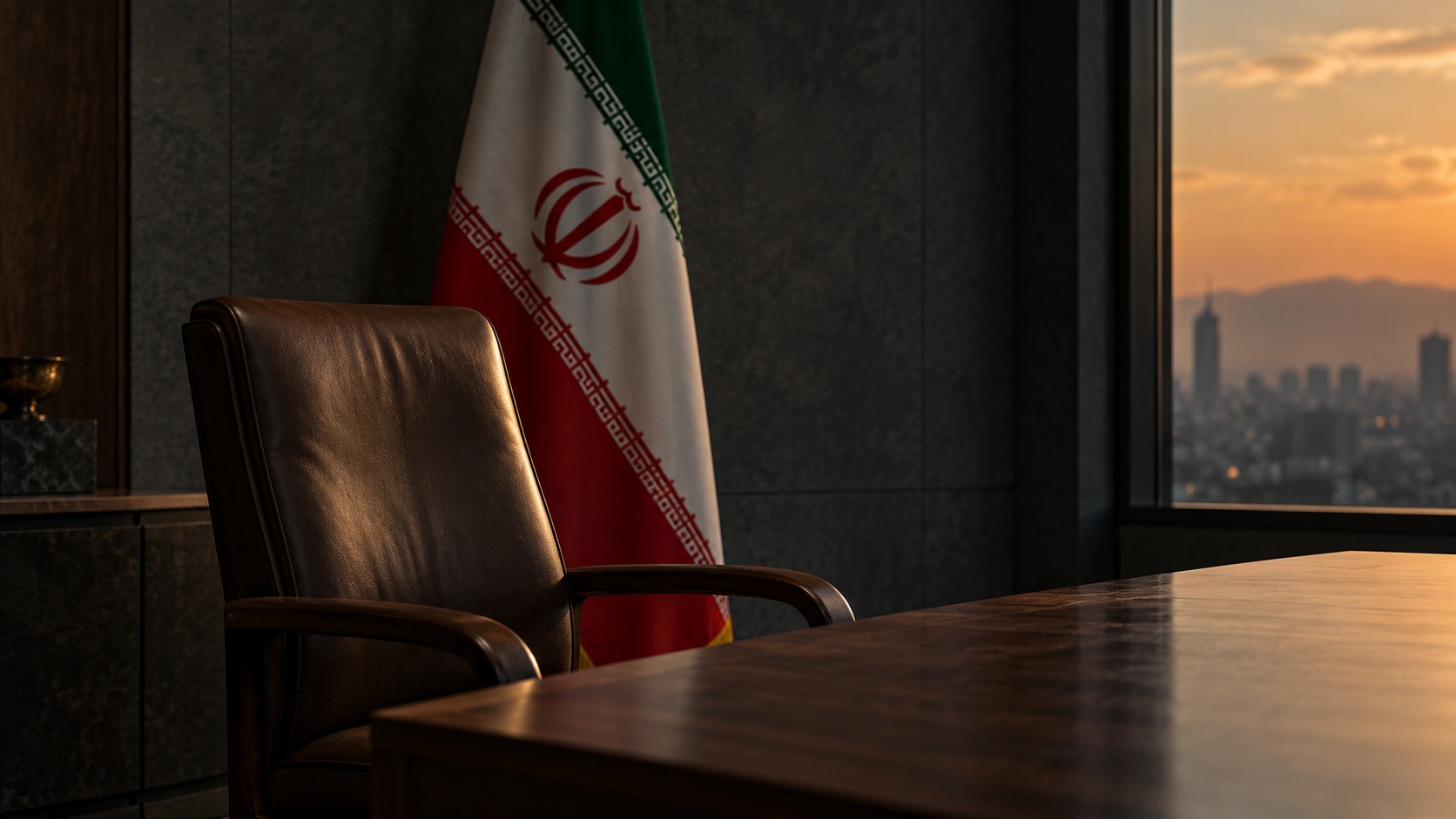
A source close to Iran's parliament speaker says reports of an imminent deal with Donald Trump are wrong and Tehran has prepared for war. The warning, relayed on October 20, adds to signs that Iranian leaders expect another round of U.S. and Israeli attacks even as mediators try to keep negotiations moving.
For anyone hoping a settlement will bring relief at the gas pump or get Gulf shipping moving again, that is an unwelcome message. The Strait of Hormuz remains severely disrupted, Washington's blockade remains in place, and neither side has announced an agreement to end the conflict.
The Hormuz Letter's October 20 post attributed the assessment to a source close to Parliament Speaker Mohammad Bagher Ghalibaf. It did not name that person or identify an underlying news outlet. This was an anonymously sourced account, rather than a public declaration by Ghalibaf or Iran's Foreign Ministry.
But the account fits with separate reporting published the same day. Three senior Iranian officials and an Iranian insider told Reuters that Tehran believes Trump is prepared to resume military action to break the deadlock.
“Iran is preparing for renewed Israeli and US attacks, not for a deal with America to end the war,” one official said. “The clerical establishment is determined not to give Trump a political victory.”
The officials described a leadership willing to prolong negotiations rather than make concessions it believes would help Trump ahead of the November 3 midterms. Iran's Foreign Ministry and the White House did not respond to the news agency's requests for comment.
Trump says America could walk away
Trump sounded very different at an October 19 campaign rally in Kansas. According to Iran International's report published October 20, he argued that U.S. military operations had already left Iran unable to obtain a nuclear weapon.
“Somebody said you could leave right now. It's true. We could leave right now. They're not going to have a nuclear weapon,” Trump said.
He also complained about finding someone to negotiate with after attacks on Iran's leadership. The president's account presents Washington as having achieved its main military objective; the Iranian officials' account describes a country expecting more strikes.
The sticking point is what happens first
Iran's seven-day proposal, which Foreign Minister Abbas Araghchi said on October 18 remained on the table, would reopen Hormuz under Iranian control. In return, Tehran wants the U.S. maritime blockade lifted, restrictions on oil exports eased, frozen assets released and hostilities ended on all fronts.
Washington wants Iran's nuclear program included from the outset. Tehran wants its initial conditions met before nuclear negotiations begin. That disagreement over the order of events has helped keep the talks stuck.
Iranian officials also point to earlier negotiations interrupted by military action, including Israeli strikes in June 2025 and the U.S.-Israeli campaign launched in February. Their distrust is central to why messages are still being exchanged without producing a settlement.
Mediators are still showing up
Pakistan's army chief, Field Marshal Asim Munir, arrived in Tehran on October 20 with Interior Minister Mohsin Naqvi. Diplomacy is continuing through both Pakistan and Qatar, with the former offering access to senior leaders and the latter helping channel detailed proposals.
The visit followed Russian Foreign Minister Sergei Lavrov's October 19 meetings with Araghchi and President Masoud Pezeshkian. Separately, Qatar said on October 20 that communication between Tehran and Washington had “not stopped,” The National reported.
The military conversations are continuing, too. U.S. Defense Secretary Pete Hegseth met Benjamin Netanyahu in Israel on October 19, according to Israeli officials. Trump has pledged not to attack Iran before the U.S. midterms, but Netanyahu has said Israel is prepared to act independently if necessary.
Iranian Foreign Ministry spokesman Esmail Baghaei has warned that a strike would bring retaliation. Asked about the prospect of an attack on the deeply buried Pickaxe Mountain site near Natanz, he put Tehran's position bluntly: “Do you believe Iran would say ‘strike’ and we would remain silent?”