

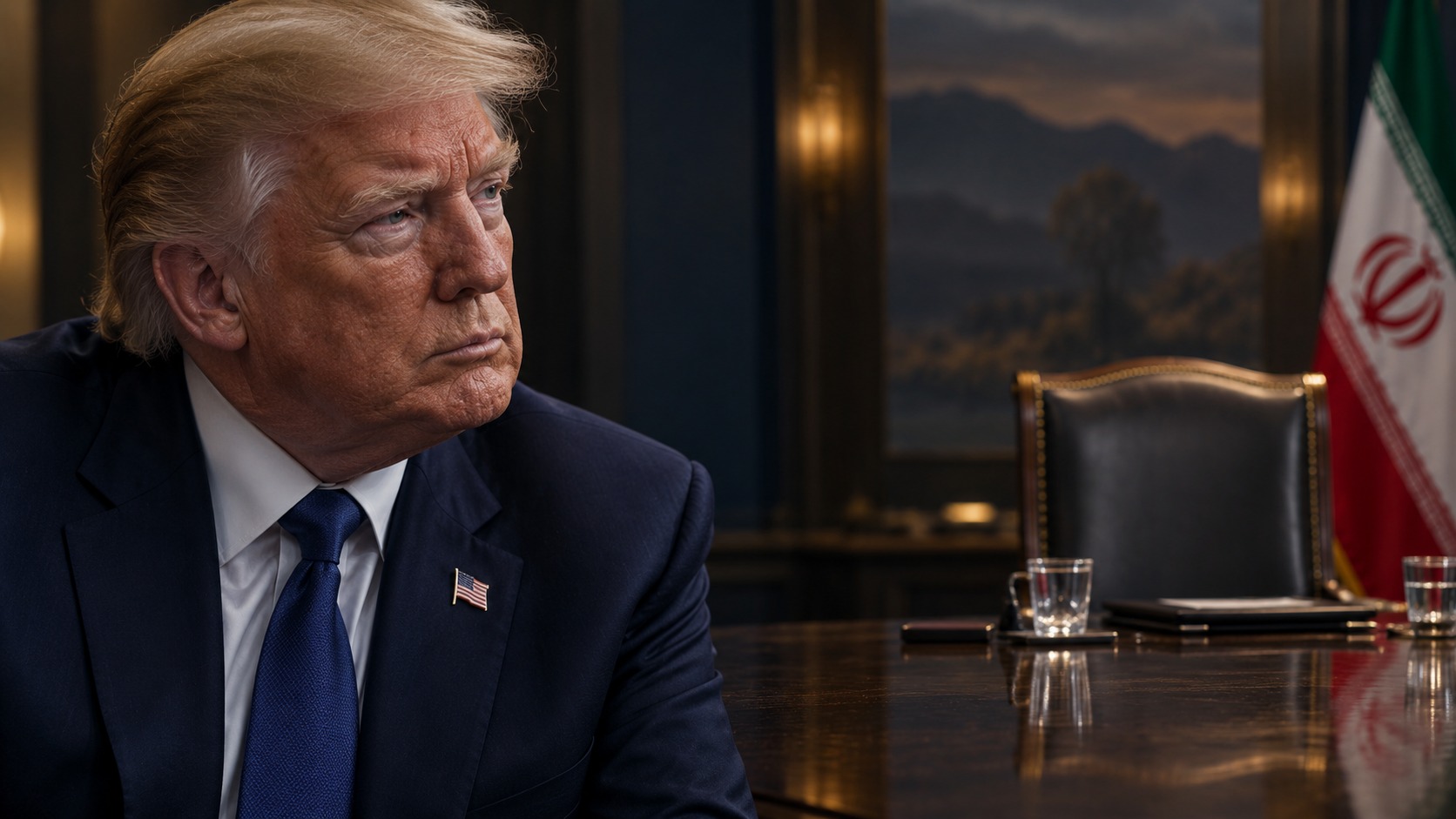
Iranian officials say Tehran is deliberately stretching out peace talks to deny Donald Trump a political win before the November midterms. The account, reported by Reuters on October 20, suggests Iran's leaders see the election calendar as another source of leverage in a war now in its eighth month.
The pressure runs through American wallets. Disrupted Gulf shipping has kept energy supplies tight and gasoline expensive, leaving Republican candidates defending the cost of a conflict Trump promised he could resolve. Voters go to the polls on November 3, two weeks away.
Three senior Iranian officials and an Iranian insider spoke anonymously to Reuters. Their account describes the leadership's thinking; it has not been publicly confirmed as government policy. Iran's Foreign Ministry and the White House did not respond to the news agency's requests for comment.
“Iran is preparing for renewed Israeli and US attacks, not for a deal with America to end the war,” one official said. “The clerical establishment is determined not to give Trump a political victory.”
Tehran-based analyst Saeed Leylaz told Reuters that prolonging negotiations allowed Iran to influence the U.S. election without taking unlawful action. The officials said they saw little prospect of a breakthrough before the vote because Tehran was unwilling to make concessions it believed would benefit Trump.
The political damage is already showing
A Reuters/Ipsos poll, completed October 19, put Trump's approval at 31%, the lowest recorded in that survey during either of his presidential terms. Some 68% disapproved of his handling of the economy, including 37% of self-identified Republicans.
The online survey covered 1,679 U.S. adults and carried a margin of error of two percentage points for the full sample. It gives Tehran an obvious reason to believe continued economic pressure could hurt the president politically.
The Strait of Hormuz remains central to that calculation. Iranian attacks and threats have reduced shipping to a trickle, while Washington's maritime blockade and sanctions have squeezed Iran's export earnings. Both sides are imposing costs on the other, and neither has accepted the other's terms for stopping.
The two sides disagree over what happens first
According to Reuters, Iran's proposal, passed through Qatari mediators, would reopen Hormuz within seven days while keeping the waterway under Iranian control. In exchange, Tehran wants Washington to lift its blockade, ease restrictions on oil exports, release frozen assets and end hostilities on all fronts.
Foreign Minister Abbas Araghchi said on October 18 that the offer remained on the table and messages were still moving through intermediaries. Washington wants Iran's nuclear program included from the outset. Tehran wants its initial conditions met before nuclear negotiations begin.
Distrust makes that sequencing fight harder. Iranian officials pointed to attacks that disrupted earlier negotiations, including the Israeli strikes in June 2025 and the U.S.-Israeli campaign launched in February after another round of talks.
Alex Vatanka, director of the Middle East Institute's Iran program, told Reuters that hurting Trump politically was part of Tehran's thinking. But he said the leadership's fears went deeper:
“But the fundamental issue is that Tehran believes that Trump is interested in regime change … and following Israeli Prime Minister (Benjamin) Netanyahu's policy of seeking to bring down Iran's ruling establishment.”
Waiting is expensive for Iran, too
Reuters cited Iran's Statistical Centre as reporting annual inflation of 73.6% in September. It also reported that the rial had lost nearly 35% against the dollar since Washington reimposed its naval blockade in July. Holding out means asking an already strained population to absorb more damage.
Meanwhile, the threats keep expanding. RFE/RL reported on October 20 that Revolutionary Guards spokesman Hossein Mohebbi had renewed a warning about undersea fiber-optic cables if fighting resumes, following comments he made October 19.
Apex previously reported on Iran's threats against Gulf internet networks and AI infrastructure. In his latest comments, Mohebbi said Tehran would reveal “new weapons” and “new targets” if attacked again.