
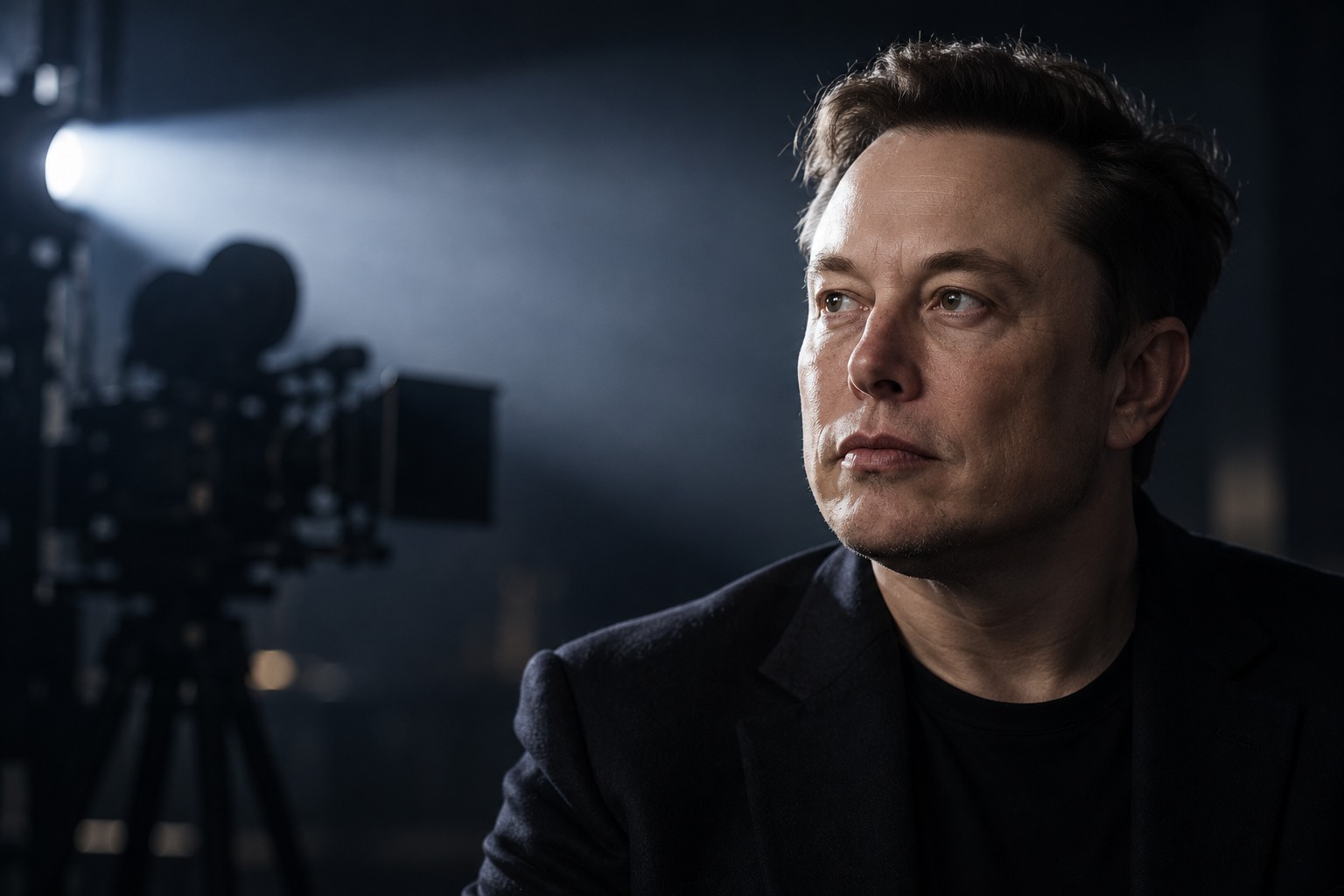
Elon Musk is attacking a documentary that is about to reach cinemas across the United States. Alex Gibney's Musk opened in select theaters on October 9 and expands nationwide on October 16, bringing an almost four-hour examination of the billionaire's business empire and political influence to a wider audience.
The dispute has become part of the release itself. Musk has accused Gibney of making a hit piece. The director says Musk's lawyer threatened legal action before the film premiered, while several major platforms initially rejected paid advertisements for its trailer. Some of those restrictions have since been reversed.
What is the documentary about?
Gibney, the Oscar-winning director of Taxi to the Dark Side, began the project in 2022. It follows Musk's early ventures, the rise of Tesla and SpaceX, his purchase of Twitter, its transformation into X, and his alliance with Donald Trump. His role in the Department of Government Efficiency also features.
The interviews include Musk's first wife, Justine Musk, Ashley St. Clair, his father Errol Musk, and people who knew him through his companies. Gibney's central question is how commercial success became political power, and how much accountability accompanies that influence.
Musk did not sit for a new interview. According to the Associated Press, the production instead uses a computer-generated representation of him speaking with his actual voice and words from earlier recorded interviews and public appearances. That distinction matters: the onscreen recreation is not a new conversation with Musk.
Why is Musk furious?
His public objection is that Gibney approached the subject with hostility. In a September 2 post, Musk wrote:
Alex Gibney is obviously going to make the most convincingly terrible hit piece on me that he can possibly think of.
He also accused the filmmaker of bias. Gibney has defended the work as a critical investigation rather than a neutral portrait.
Another flashpoint is an exchange with St. Clair that refers to Musk having thousands of lasers in space and knowing the election outcome early. Musk mocked the controversy in later September posts. The exchange does not establish that satellites altered votes, and Gibney explicitly rejected that interpretation in an interview published by TIME on October 5:
It was there to raise questions. We did not assert that Elon Musk had changed votes in 2024.
As previously reported by Apex, SpaceX's planned Starlink mobile expansion would deepen its role in communications infrastructure. That helps explain the documentary's stakes beyond Musk's personality: his businesses increasingly connect technology, essential services and government decisions.
What changed this week?
In an October 13 interview with Democracy Now!, Gibney described the legal pressure surrounding the release:
Well, even before the movie was premiered at the Venice Film Festival, Elon Musk’s lawyer, Alex Spiro, threatened to sue us over something that they claimed was in the documentary, but it wasn’t.
That is the director's account of a threat, not a court ruling or confirmation that a lawsuit was filed.
Gibney said YouTube and Meta had reversed their decisions against trailer advertisements. TikTok was still refusing them, he said, while X claimed it would allow them but he had not seen evidence that the ads were running. Those are his descriptions of the platforms' positions, not evidence that Musk directed their decisions. Restrictions on paid promotion also do not mean the trailer itself has disappeared from the internet.
Where can you watch it?
For U.S. audiences, the confirmed release is theatrical. Bleecker Street's official page provides the trailer, tickets and a theater finder. The limited run is already under way; the nationwide expansion begins October 16.
Laemmle lists screenings from that date at its Monica Film Center, Glendale and NoHo 7 locations. Its listing gives a runtime of 235 minutes, so this is a substantial cinema commitment.
The distributor's page does not announce a full-film streaming release date. A trailer, an interview with Gibney or a clip shared on social media is not the complete documentary. Viewers outside the United States should check local cinema and distributor listings rather than assume the American release dates apply worldwide.