

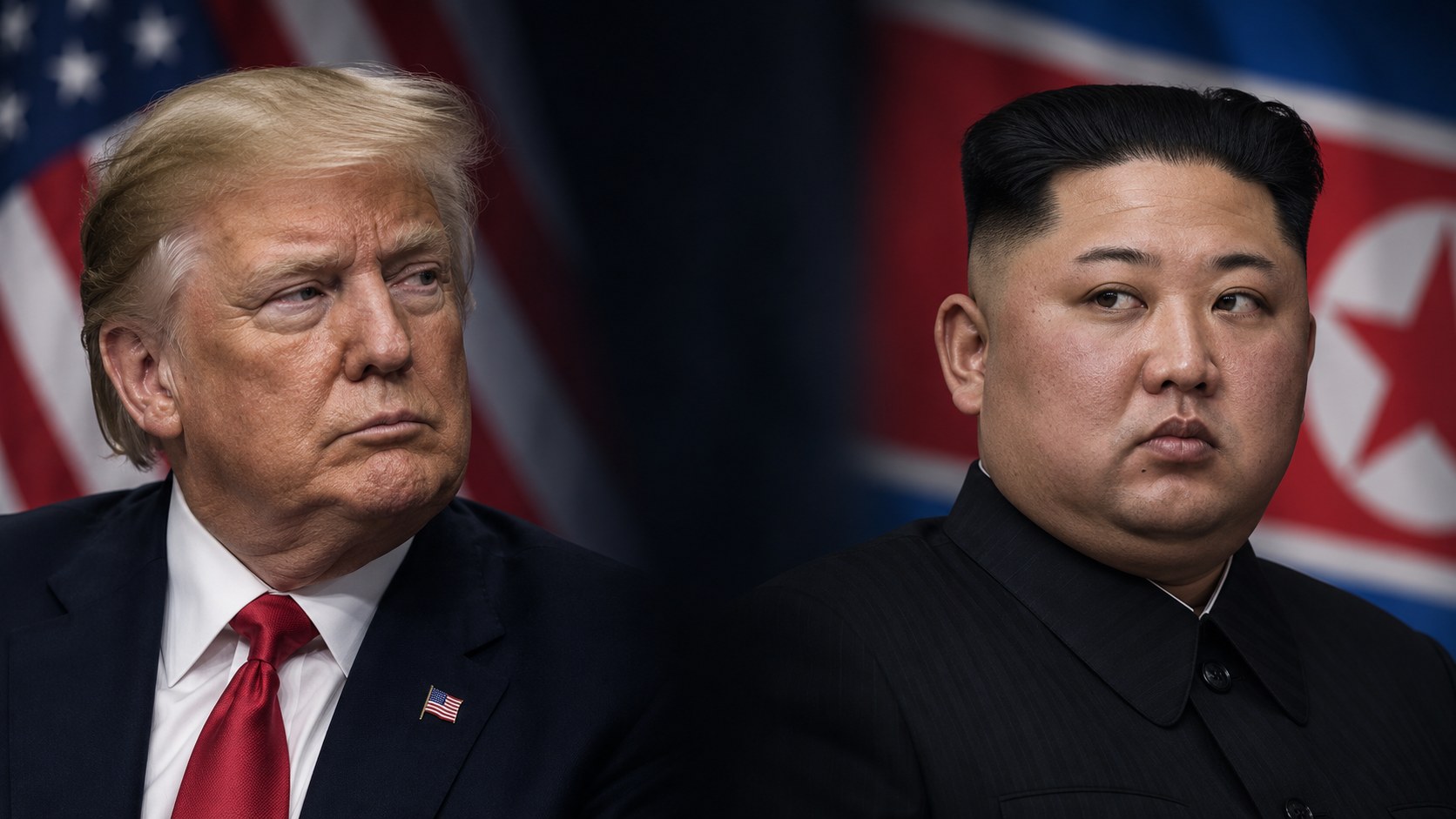
Donald Trump wants another meeting with Kim Jong Un. Washington is still waiting for an answer, and officials increasingly doubt the two leaders will sit down together before the year is out.
The most obvious opening is the November 18-19 Asia-Pacific Economic Cooperation summit in Shenzhen, China, where Trump is also expected to continue talks with Chinese President Xi Jinping.
An October 23 Reuters report cited five people describing those unanswered approaches: four briefed by senior U.S. and South Korean officials, plus a South Korean official. Another South Korean official said the North had made no move suggesting it was preparing for talks.
Trump is keeping the invitation open
The president's own remarks have become less definite. In August, he said he planned to meet Kim this year and that the North Korean leader had responded to his outreach. On October 19, he told reporters he got along with Kim but was unsure anyone was asking for a meeting.
The White House nevertheless says the invitation stands. An official, speaking anonymously, gave the news agency this response:
US policy on North Korea has not changed. President Trump remains open to talking with Kim Jong Un, without any preconditions. No meetings to announce at this time. The leaders will meet at the appropriate time.
There is a difference between offering talks without preconditions and agreeing on what those talks should deliver. North Korean state media has signaled that Pyongyang could demand tough terms for a summit, potentially including sanctions relief.
The two leaders met three times during Trump's first term, in 2018 and 2019. Their personal rapport produced remarkable encounters, but no lasting agreement to dismantle North Korea's nuclear weapons program. The Hanoi summit in 2019 collapsed without a deal.
Kim has other partners now
Analysts interviewed by AFP point to North Korea's deepening relationships with Russia and China as an important part of the changed circumstances. Kim has sent troops and weapons to support Russia's war in Ukraine, gaining backing from Vladimir Putin while maintaining close ties with Beijing.
Lim Eul-chul, a professor at Kyungnam University's Institute for Far Eastern Studies, offered a blunt assessment:
I see almost no possibility of a meeting. For Kim Jong Un, maintaining the status quo is the best option right now.
Pyongyang's public position on its arsenal leaves little room for the kind of denuclearization agreement Trump pursued in his first term. Kim's sister, Kim Yo Jong, reiterated in September that the country's nuclear status was absolute.
South Korean President Lee Jae Myung suggested in September that Washington seek a nuclear freeze in exchange for sanctions relief, rather than the immediate elimination of the arsenal.
A meeting could still come together quickly. U.S. Ambassador to South Korea Michelle Steel said at an October 21 event that she did not know when the leaders might meet, but any arrangement could be announced with only a day or two's notice.
Seoul is asking for talks of its own
A separate development on October 23 shows the immediate security problems behind the summit speculation. South Korea proposed military talks with the North to resolve disagreements over the border's military demarcation line, restore military communication lines and prevent accidental clashes, the AP reported.
The proposal follows September 21 landmine explosions that injured three South Korean soldiers. Seoul's military attributed the blasts to North Korean mines planted south of the demarcation line. The North has denied responsibility.
Deputy defense policy minister Kim Hong-Cheol said Seoul was also open to three-way talks involving the U.S.-led United Nations Command. The offer comes days after Kim Yo Jong renewed threats over South Korean warning shots and broadcasts toward North Korean troops working near the border.
Some decades-old boundary markers have disappeared over time, contributing to disagreements about the line's location. Seoul wants the sides to confirm where it lies and reopen communications before another encounter between soldiers turns into a confrontation.