

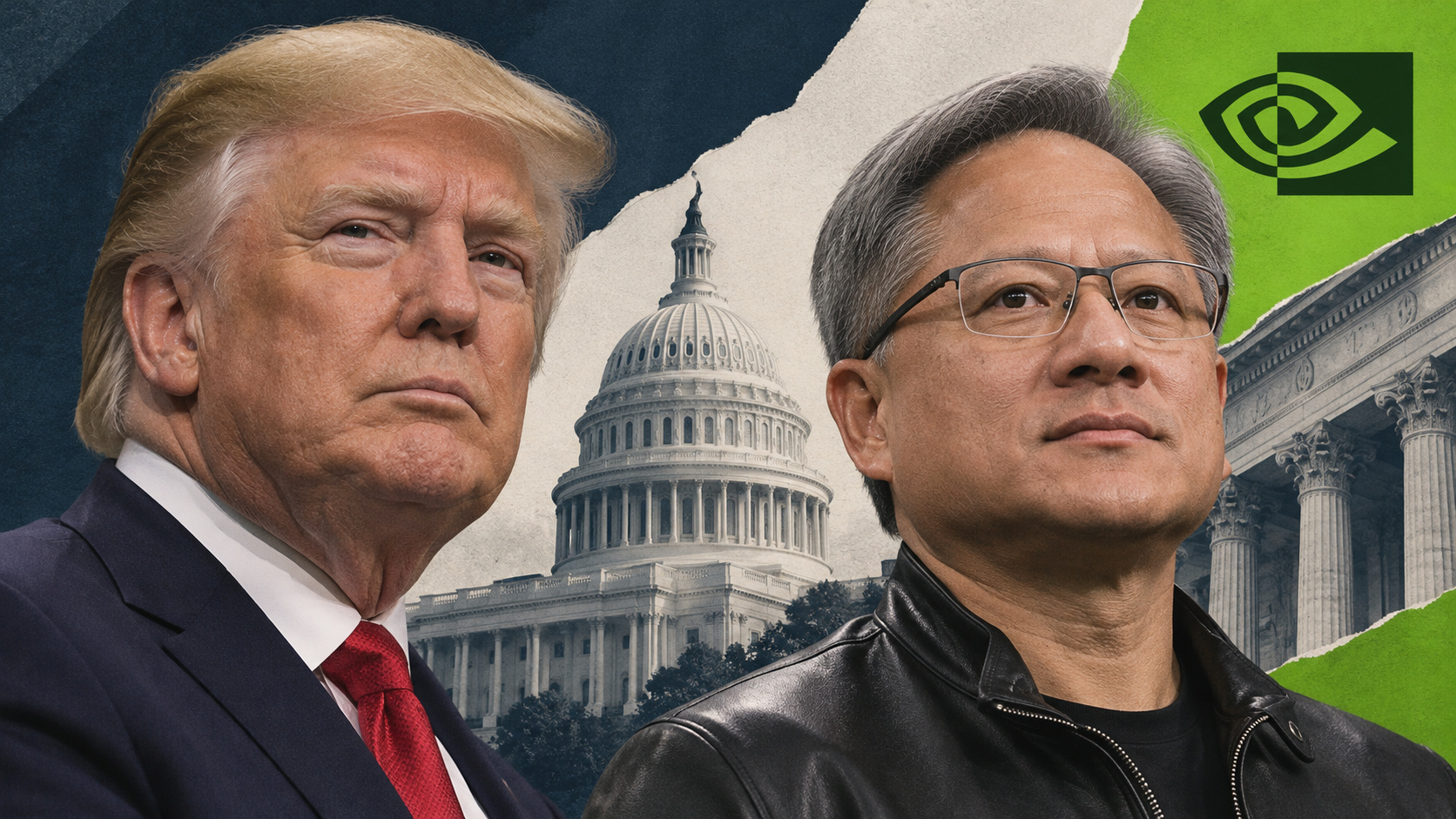
Donald Trump's defense of Nvidia chief executive Jensen Huang is colliding with Democratic demands for answers about whether his administration allowed advanced AI chips to reach China despite warnings about a suspected intelligence operation. Three senior House Democrats want Commerce Secretary Howard Lutnick to explain what officials knew and why exports continued.
Trump said the FBI was looking into the controversy, but told reporters he believed Huang's account that he did not know the woman linked to him was suspected of spying. The espionage allegations remain unproven in public court proceedings, and China has denied them.
Democrats demand an export halt
In a November 9 letter, Representatives Gregory Meeks, Gabe Amo and Sydney Kamlager-Dove called for an immediate halt to exports of advanced artificial intelligence chips to China. They challenged the administration's handling of reports linking Huang to possible Chinese intelligence operatives.
You cannot claim to be protecting American leadership in artificial intelligence while allowing our most advanced technology to reach a strategic competitor. National security must come before corporate sales targets.
The lawmakers asked whether Commerce had been briefed on the suspected operation, how it responded and why it continued permitting exports. Their demand reaches beyond Huang's personal conduct to the government's decisions about technology that could strengthen a strategic competitor's military and AI capabilities.
Meeks is the House Foreign Affairs Committee's ranking Democrat, Amo its vice ranking member, and Kamlager-Dove the ranking Democrat on its South and Central Asia subcommittee. Their letter also noted that Meeks and Amo had challenged Lutnick over the administration's loosening of chip restrictions in January.
Trump says he believes Huang
The president described a conversation with the Nvidia co-founder in remarks carried by PBS:
I asked him that question. Did you have any idea that she was a spy? He said: "I had no idea that she was a spy." And I really believe him.
Trump also called Huang an amazing person and said he hoped there was no problem. His comments offered personal support while lawmakers sought a fuller account of the security concerns and export approvals. Trump had previously suggested Huang might have an excuse and said he considered him an honorable man.
House Democratic leader Hakeem Jeffries separately backed tighter restrictions. In footage included in the same broadcast, he said he strongly supported Senate provisions that would restrict China's access to chips. That gives the criticism a legislative direction as Congress returns to work.
The woman at the center of the case, Alice Huang, also known as Huang Le, held a senior role at Singapore-based Megaspeed. As previously reported by Apex in the profile linked above, the company supplied computing capacity using Nvidia processors and had Alibaba among its customers. She and Jensen Huang are unrelated.
Nvidia's board announced an independent investigation on November 8, with outside counsel assisting a committee of independent directors. It said it had no reason to believe national security or company secrets had been compromised, while pledging to examine all available information.
Republican oversight is continuing alongside Democratic pressure. As Apex previously reported, three House committee chairmen gave Huang a November 11 response deadline and requested a closed-door briefing on November 18. Their request concerns his interactions with Alice Huang and the safeguards around Nvidia's technology.
Huang has pushed Washington to ease restrictions on sales to China. The president has also opposed new legislation restricting artificial intelligence, a position highlighted in his public appearances with the executive. In footage carried by the same PBS NewsHour broadcast, Huang argued that market forces were already operating and that the industry did not need new laws or regulations.