

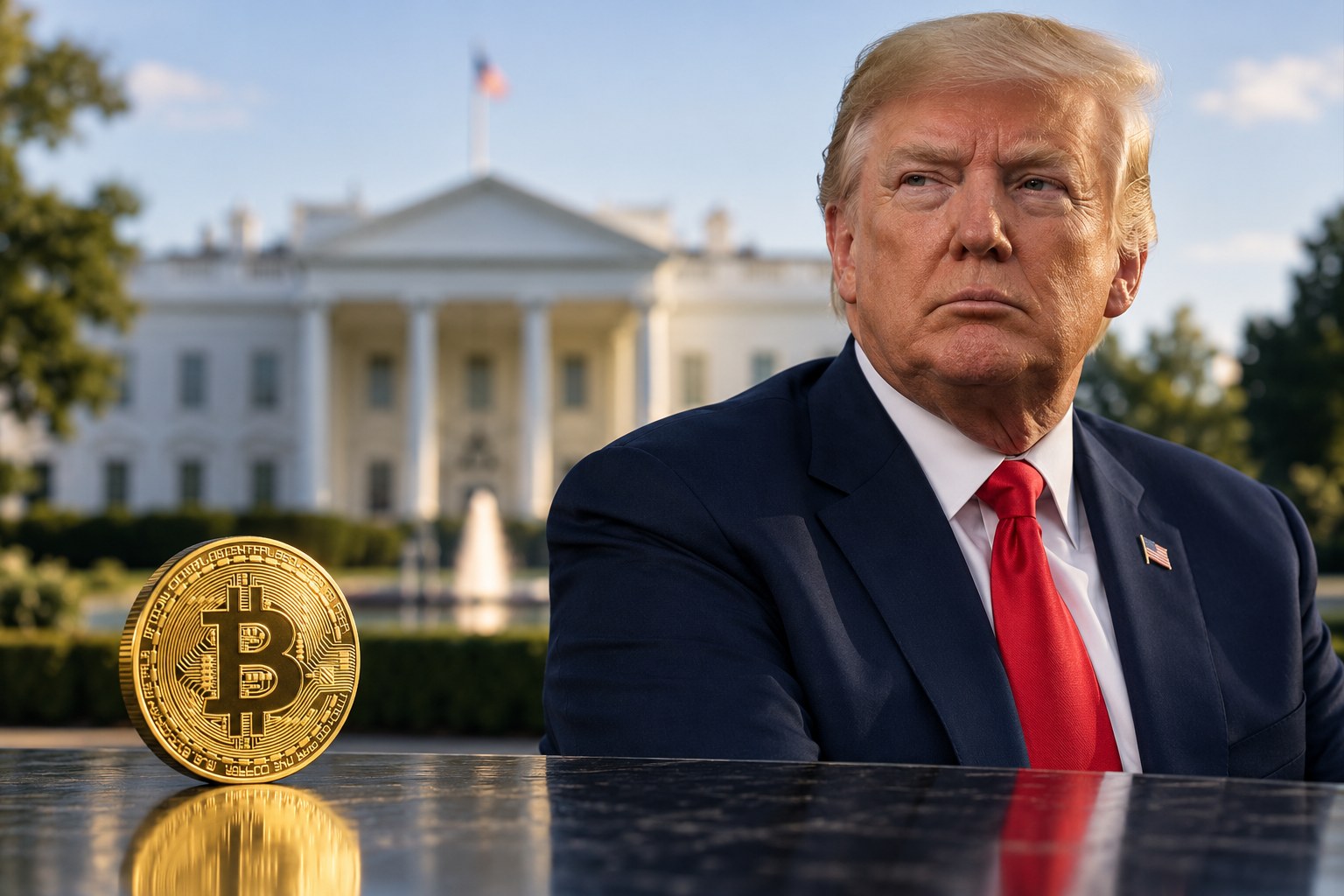
Donald Trump plans to showcase his administration's fight against crypto scammers on October 21, with an awkward number hanging over the pitch. His family has added at least $2.3 billion to its fortune from its main crypto ventures, according to a Reuters investigation.
The White House event is expected to focus on foreign criminal networks that lure Americans into fake investments, government seizures of fraudulent websites and efforts to stop online impersonation scams. At publication, the event was still ahead; those plans came from a White House official describing the agenda.
The official told Reuters that FBI Director Kash Patel, Attorney General Todd Blanche, Homeland Security Secretary Markwayne Mullin and Defense Secretary Pete Hegseth were expected to attend. It puts the administration's law enforcement leadership behind a message that lands in a market where the president's family is also selling investments.
The family collected. Investors took the hit.
The June 9 investigation estimated that investors in the family's main crypto ventures had lost $2.3 billion, even as the family made at least that much. Those figures describe the investigation's historical findings, rather than the value of the ventures today.
The businesses examined included World Liberty Financial, the TRUMP meme coin, American Bitcoin and the company formerly known as ALT5 Sigma, according to Benzinga's account of the investigation. Licensing the family name and collecting a share of revenue allowed the Trumps to earn money without depending on buyers eventually selling at a profit.
That is the conflict at the center of the backlash. The president oversees the government regulating the industry while his family benefits from attracting money into it. The investigation's investment-loss estimates are not a court finding that the family committed fraud.
In its response to the investigation, White House spokeswoman Anna Kelly said:
"All actions by President Trump and his administration are taken in the best interest of the American people."
What the crackdown actually targets
The scam networks under scrutiny often offer an entirely fictitious investment experience. A victim sees an account balance climbing on a website or app, sends more cryptocurrency and eventually discovers that the supposed profits cannot be withdrawn.
The Justice Department has documented that pattern in its investigation of the Tai Chang scam compound in Burma. In a December 2025 domain-seizure announcement, prosecutors said victims were shown lucrative returns and supposed deposits while scammers guided them through fake trades. Some workers inside such compounds are themselves trafficking victims, held and forced to target people overseas.
The department's current Scam Center Strike Force page says its crypto seizure team has restrained about $938.5 million from these schemes. Restrained funds have been frozen or secured; that figure does not say how much has already reached victims.
Trump also signed a March 6 executive order directing a coordinated response to foreign cybercrime networks. It stated:
"The United States shall counter attacks on Americans with a commensurate response that includes law enforcement, diplomacy, and potential offensive actions."
The order instructed the attorney general to keep prioritizing cyber-enabled fraud prosecutions. It also called for a recommendation on a program to restore money to victims from funds seized or forfeited from the criminal organizations responsible.
The losses are already enormous
The FBI's Internet Crime Complaint Center recorded 1,008,597 complaints in 2025, with reported losses of $20.877 billion. Complaints involving cryptocurrency accounted for $11.366 billion in reported losses, up 22% from 2024. That category includes crimes involving crypto beyond investment fraud.
For victims, shutting down a fake platform can stop further payments. Recovering their money is a separate, slower task. The strike force says it is working to recover stolen funds and return them, while seeking cooperation from technology companies to cut scam centers off from the accounts and infrastructure they use to find new victims.