
Federal authorities say the former OpenAI engineer accused of hiding a recorder in an executive conference room had contact with a Saudi royal shortly before his arrest, according to new reporting. The claim adds a royal-family connection to a case already involving a secret device, an overseas flight booking and questions about access to sensitive AI discussions.
Abdulrahman Alfozan, 35, was arrested on October 9 and charged with using or trying to use a device to intercept oral communications. He is scheduled for a detention hearing on October 19. He is presumed innocent, and his lawyer has said he will contest both the allegations and his continued detention.
A new claim about royal contact
CNBC reported on October 19 that federal authorities said Alfozan exchanged WhatsApp messages with a Saudi royal in the days before his arrest. The reported contact adds to previously documented professional links between the engineer and members of Saudi Arabia's investment community.
There is an important distinction here. Contact with a royal and a role at a Saudi investment firm do not establish that the Saudi government directed the alleged recording. The criminal charge announced by the Justice Department concerns interception of oral communications, not a proven foreign-government spying operation.
Alfozan's business ties are documented in Raed Ventures' own announcements. The firm welcomed him as a venture partner on February 8, 2025, saying he would identify investment opportunities and support startups. Two days earlier, it announced Prince Khalid bin Bader Al Saud as a venture partner.
The firm's announcement described the prince as managing director and vice chairman of his family's private office. Those announcements establish a shared business affiliation. They do not identify the royal involved in the newly reported WhatsApp contact.
What investigators say happened inside OpenAI
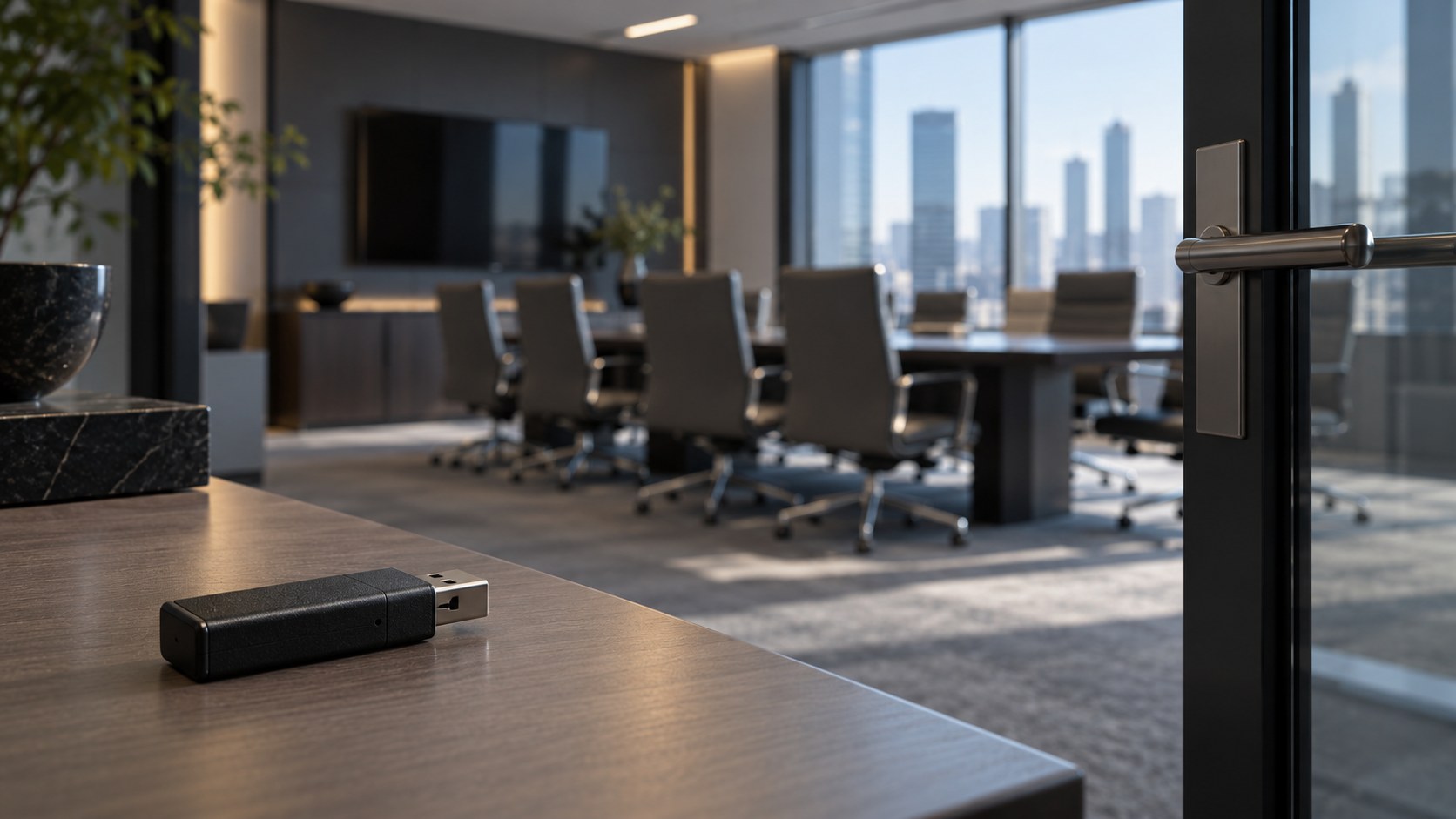
The Justice Department's October 13 announcement says employees discovered the recorder on September 30, plugged into a USB port behind a television in an executive conference room. According to the complaint, it had been concealed in toilet paper, installed around September 28 and contained encrypted material.
The room was used to discuss confidential research, product plans, business opportunities and other nonpublic company matters. Prosecutors say Alfozan had no authority to attend those meetings.
The complaint also alleges that a chatbot account associated with his spouse submitted prompts about building and customizing a recorder, including connectivity, live listening and encryption. Investigators say some prompts included the device's unique identifying information.
On October 5, prosecutors allege, Alfozan entered the room and looked behind the television. Security staff also found a second similar recorder in a bag containing his wallet and identification, according to the complaint.
U.S. Attorney Craig Missakian framed the case in national-security terms:
For us it is a matter of national security. This arrest highlights our relentless efforts in partnership with the FBI to identify and prosecute those who seek to steal our technology, as alleged in the complaint.
The defense pushes back
In an October 15 report, Al Jazeera said prosecutors had disclosed a one-way booking for Alfozan, his wife and another family member to travel to Saudi Arabia on October 12. Prosecutors raised the booking while arguing that he had the means and incentive to flee.
His lawyer, William Pernik, challenged the broader narrative. He told AlJazeera:
He is presumed innocent and is entitled to fair treatment and due process of law. The emphasis on his national origin and therefore suggestions of lack of trustworthiness or flight risk harken back to dark chapters of our nation’s history that we intend to fight fully.
As previously reported by Apex, OpenAI said it fired the employee and assisted the FBI investigation. The company also said it had no indication that model weights, source code or customer data had been improperly accessed or taken.
The next scheduled court proceeding concerns whether Alfozan remains detained while the case moves forward. If convicted of the interception offense, he faces up to five years in prison and a $250,000 fine. The reported royal contact adds scrutiny; the allegation that he planted the recorder still has to be proved in court.