

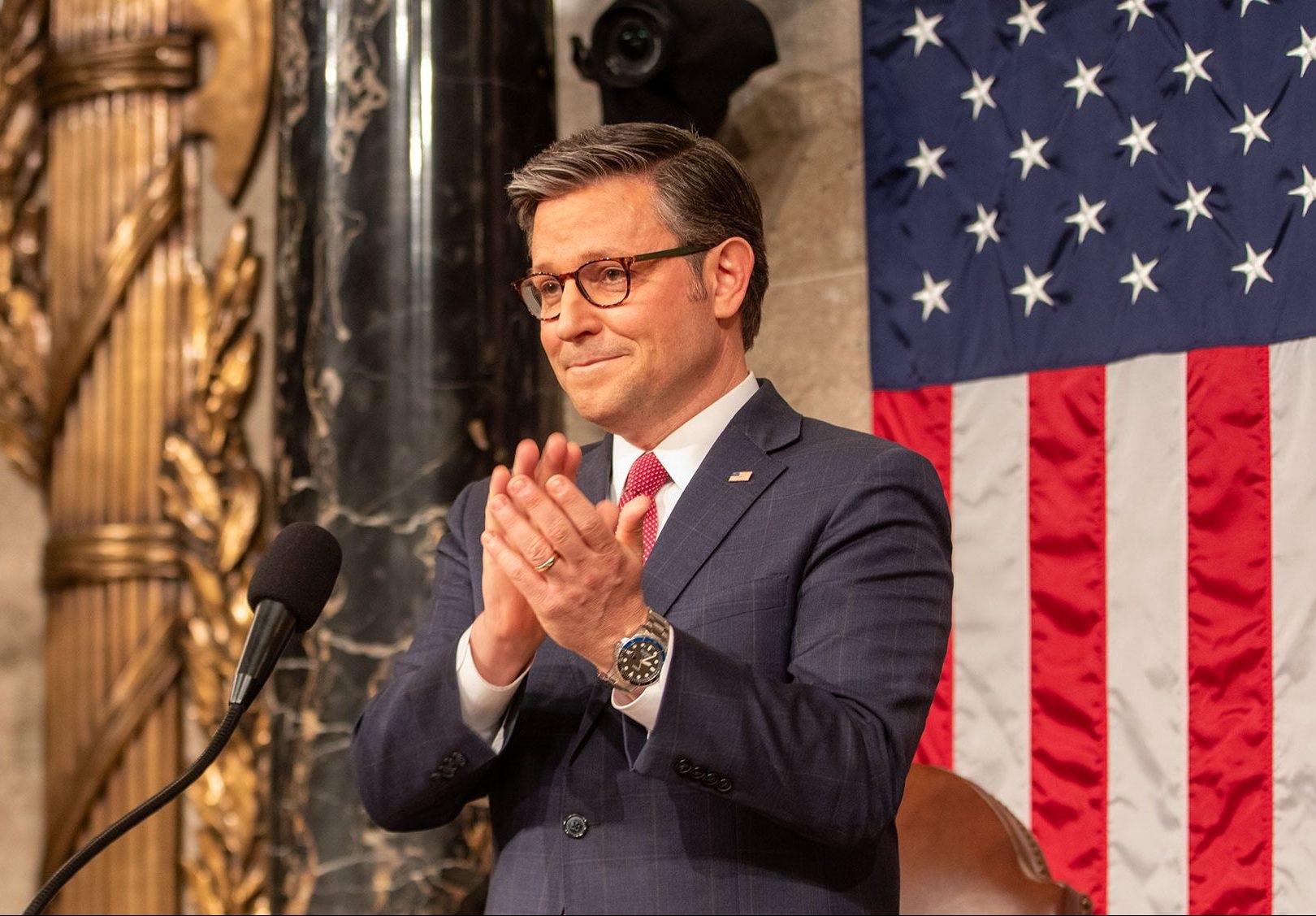
House Speaker Mike Johnson has backed tighter restrictions on chip exports to China, saying the controversy surrounding Nvidia and Jensen Huang is strengthening support for limits in Congress. His comments came on November 12, the day Huang resigned from the company he had led for 33 years.
Johnson said the recent developments made export restrictions more sensible and could change lawmakers' minds. He also said Huang had done the right thing by stepping down, while reserving judgment on the unresolved facts behind the scandal.
Johnson says support for export limits is growing
Speaking to reporters in Washington, Johnson said controls on chip sales to China had been a major issue on Capitol Hill. His remarks put the House's top Republican behind efforts to narrow China's access to the technology:
I’m in favor of limiting those exports, and I think there’s a developing consensus in Congress that is an important position to take. Especially in the light of recent developments, it makes sense.
He added that the controversy might change a few minds. That gives supporters of tougher controls an endorsement from the speaker as they work to build congressional backing.
The debate concerns chips used to power artificial intelligence and the safeguards governing their sale to China. Huang had been a prominent advocate for allowing more sales, making the questions about his personal contacts and the company's security practices politically consequential for that campaign.
Johnson was more cautious when asked about Huang appearing before Congress. He said he had been told the Justice Department was looking into the matter and that congressional questioning would happen if members wanted it.
But there still seems to me to be a lot of facts yet to be determined. So I’m reserving personal judgment on this.
Moolenaar still wants Huang to testify
Huang's resignation has not ended the demand for answers. In a November 12 post, Politico reported that House China Select Committee Chairman John Moolenaar still wanted him to testify after leaving Nvidia.
The demand reaches back to decisions made while Huang was running the business. Republican committee leaders have sought an account of his contacts with Megaspeed executive Alice Huang and the protections around sensitive technology and information. The allegations that she worked for Chinese intelligence remain unproven publicly.
As Apex previously reported in the article linked above, Moolenaar, Foreign Affairs Chairman Brian Mast and Intelligence Chairman Rick Crawford requested a joint, closed-door briefing on November 18. Their letter asked Huang to accept the date or propose an alternative congressional session date by November 11.
Moolenaar subsequently raised the prospect of a subpoena if Huang did not agree to a briefing or suggest another date. He has also said lawmakers need to examine whether privileged company information was accessed and whether U.S. national security policy was influenced.
Democratic lawmakers have pursued the administration's decisions alongside those questions. As that earlier Apex report explained, Representatives Gregory Meeks, Gabe Amo and Sydney Kamlager-Dove demanded answers from Commerce Secretary Howard Lutnick about advanced chip exports and what officials knew about the intelligence concerns.
Kress takes over while the scrutiny continues
The leadership change is now official. In its November 12 announcement, the chipmaker said Huang had resigned as president, CEO and a director, effective immediately. Colette Kress was appointed interim CEO and will retain her executive vice president and chief financial officer roles.
As Apex reported, directors are searching for a permanent successor and will consider both internal and external candidates. Harvey C. Jones has become the board's first chair.
The company has also commissioned an independent investigation. Its earlier statement said directors had no reason to believe national security or company secrets had been compromised, while committing to examine the available information.