

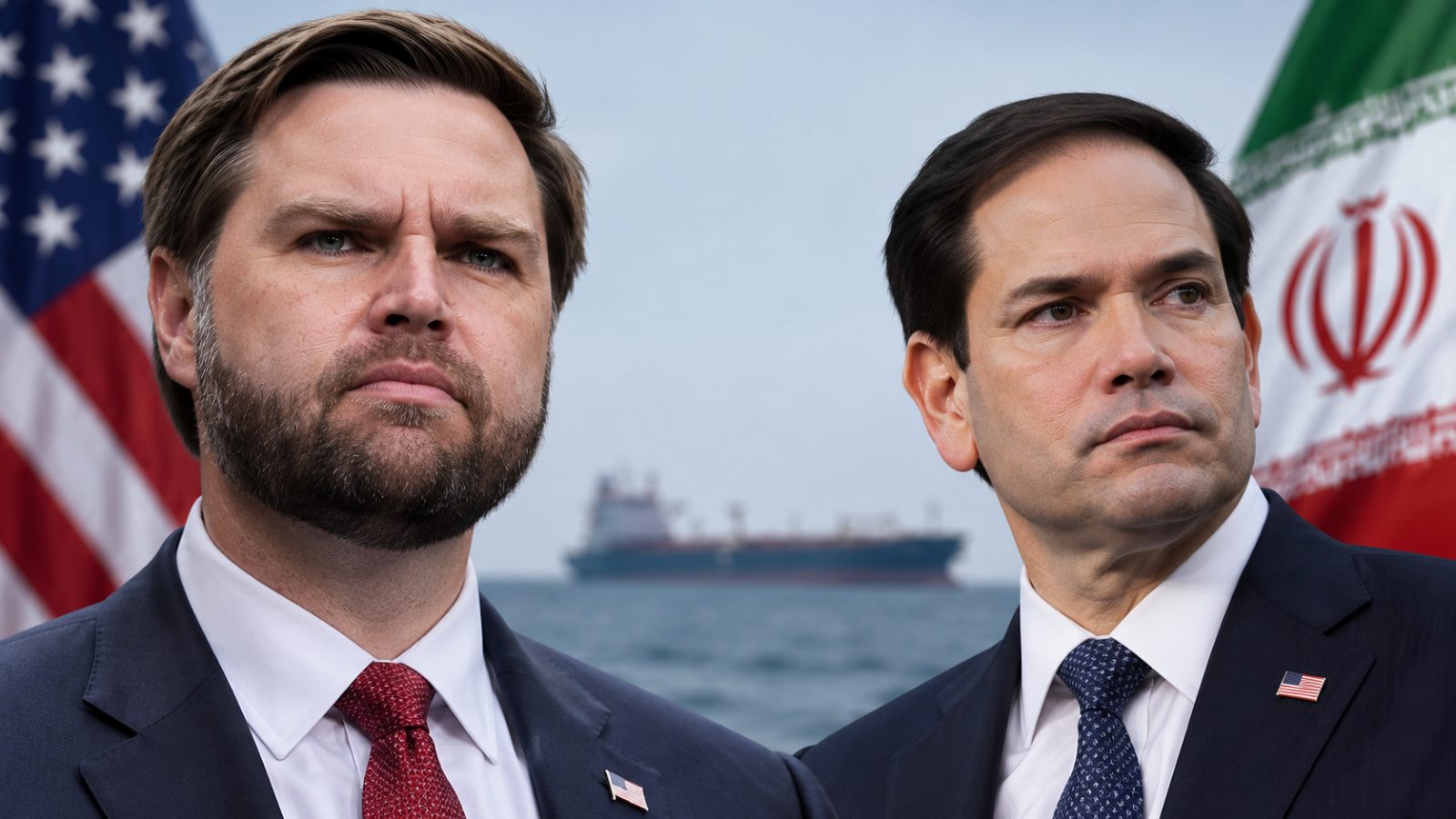
US Vice President JD Vance is considering sitting across from one of Iran’s toughest security officials, even as Marco Rubio argues Washington should keep squeezing Tehran financially.
Trump has authorized the vice president to explore fresh negotiations, according to US and Middle Eastern officials, with no meeting date yet, just as Republicans also face midterm fallout.
JD takes a bigger role as the White House argues over Iran
Vance wrote to Mohsen Rezaei, secretary of Iran’s top security body, in October seeking direct talks. Messages are now passing through intermediaries, with Doha under consideration as a venue. On Monday, Vance met Qatar’s prime minister before both joined Trump at the White House. Trump called that gathering excellent.
Such a meeting would be extraordinary. Vance has moved ahead of envoys Steve Witkoff and Jared Kushner, who are also working on Russia-Ukraine negotiations. Success could make his career; failure could damage it.
There’s already friction. Officials say Trump privately questioned the June understanding Vance helped arrange in Switzerland, arguing that it bought Iran time to recover and earn oil revenue before the naval blockade. The White House disputes that account; Vance’s spokesman declined comment.
That earlier agreement paused combat but did nothing to restrict Iran’s nuclear activities or its grip on Strait of Hormuz shipping.
Vance has blamed the conflict for Republicans’ midterm losses. Trump said he understood, yet would choose war again. Rubio and Defense Secretary Pete Hegseth maintain military action was necessary to stop an Iranian bomb. Tehran denies wanting one, despite holding highly enriched uranium.
Rubio wants sanctions to bite before any deal
Iran wants the blockade lifted, frozen funds released and restrictions on oil sales eased before negotiations resume. Its officials reportedly believe Republicans’ election losses give them extra bargaining power.
“The Iranian demands are totally unrealistic. We expect that could change, and if it does, we’ll be prepared for diplomacy,” Rubio said Tuesday.
Speaking at a G7 meeting in Paris, he said financial pressure was working well enough that major combat operations were unnecessary. He warned the military could still respond if Iran crossed US red lines. Stephen Miller, Trump’s new chief of staff, reportedly backs keeping that pressure on.
Mediators have floated a swap: Washington would move aircraft carriers farther away and loosen restrictions around Iranian ports, while Tehran would let 25 tankers pass through Hormuz.
But Iranian diplomats worry another US strike could interrupt talks, as previous American and Israeli attacks did. Regional negotiators also cite hard-line messages from the Revolutionary Guard. Its commander Ahmed Vahidi may hold more influence than Rezaei, potentially derailing a deal.
Rezaei dismissed the prospect of negotiations and refused to surrender any enriched nuclear material. Previous Iranian negotiator Mohammad Bagher Ghalibaf was sidelined after taking a softer approach.
Trump, meanwhile, threatened fresh strikes Monday, said another carrier was heading toward the region and kept the blockade in place. Trump said he still wanted a deal. Advisers remain divided between diplomacy and prolonged economic pressure. A White House official said Trump alone decides next.