
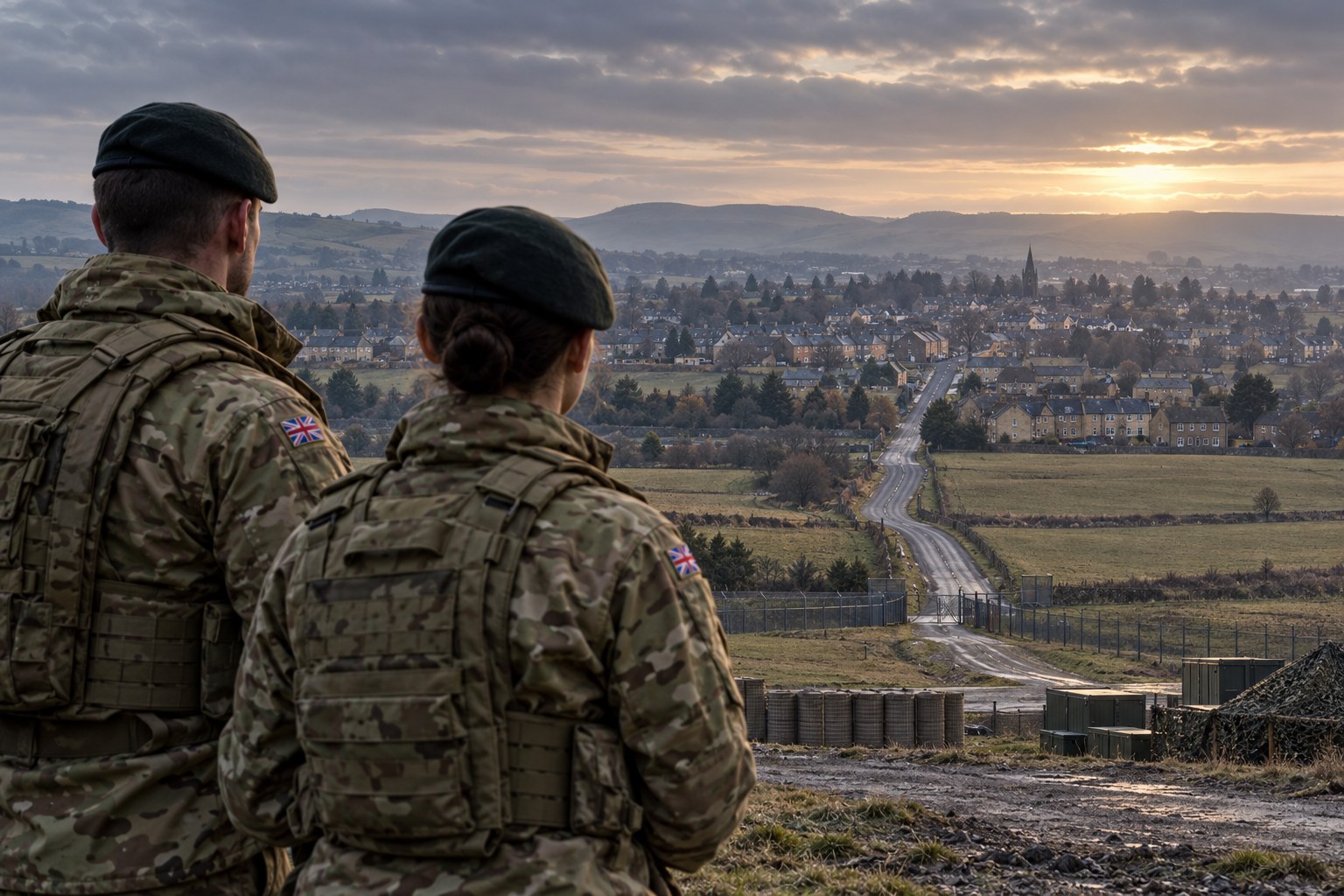
Britain's Army chief wants the public to confront a question that reaches well beyond the military: what happens if the country has to fight a war, and what ordinary citizens would have to give up to prepare for it.
Gen. Sir Roly Walker says political leaders will soon begin a "frank conversation" about the danger facing Britain. His warning reaches beyond soldiers and weapons. Citizens, he said, will be asked to accept sacrifices, support the armed forces and play their own part in the country's security.
A blunt message to 700 soldiers
Walker delivered the remarks at Catterick Garrison in North Yorkshire, addressing around 700 soldiers drawn from 1 (UK) Division. British Forces Broadcasting Service filmed the address, and its report includes the general's comments in full.
"You didn't know this, but our nation is going to need you," he told the troops. He described a world in "extreme jeopardy" and said soldiering was returning to the national consciousness.
Then he turned to what the government would need to tell the public:
Indeed very soon, the political leaders of this country will start to have a frank conversation with the citizens of this country, about just what is going on and where the risk lies, and what the nation must need to be prepared to do.
His point was that preparing the Army would also require the public's consent. Military readiness has costs, and politicians would have to explain why those costs should take priority.
What sacrifices is he talking about?
Walker did not set out a list of tax increases, spending cuts or new duties for households. Nor did he announce conscription or a mobilization order. He was describing a political argument that he expects leaders to make, rather than unveiling a new civilian war plan.
The funding argument is already underway. Defense Secretary Wes Streeting told Labour's party conference in September that higher defense spending involved "choices and trade-offs," according to the broadcaster. Chancellor John Healey is scheduled to present the budget on October 28.
That puts a practical question behind Walker's language: what will ministers ask people to accept, and how will they pay for it? His speech supplies the urgency. The budget is where the government's spending choices will become clearer.
The public conversation is overdue
Sky News reported that Prime Minister Andy Burnham inherited a pledge from Keir Starmer to hold a national conversation on defense. That promise was made more than 18 months ago. A planned household preparedness campaign also remains undelivered, the report said.
Britain is making these decisions while backing Ukraine against Russia's invasion. Russian threats toward the U.K. have added to the pressure, Yorkshire Live reported on October 17. Walker wants national defense to reach beyond conversations in barracks.
Britain already publishes practical advice through the government's Prepare website. It recommends making a household emergency plan, keeping important phone numbers on paper, checking on neighbors and considering supplies for disruption lasting a few days.
That advice covers power failures, water outages and other emergencies. It gives a concrete sense of how civilian preparedness can begin well short of military service: knowing whom to contact, what to do if utilities fail and who nearby might need help.
Soldiers would carry the fighting burden
Walker also made clear to the troops that public support would matter if they were ordered into combat:
And ultimately, we're going to need them to back us, to back you, to do the one thing that you do, that nobody else gets to do, and that is to take the fight to the enemy.
For the soldiers listening at Catterick, the warning was personal. For ministers, it was a challenge to explain the risks and the sacrifices they believe are necessary. The next step is theirs: turning a general's warning into specific decisions the public can understand and judge.